

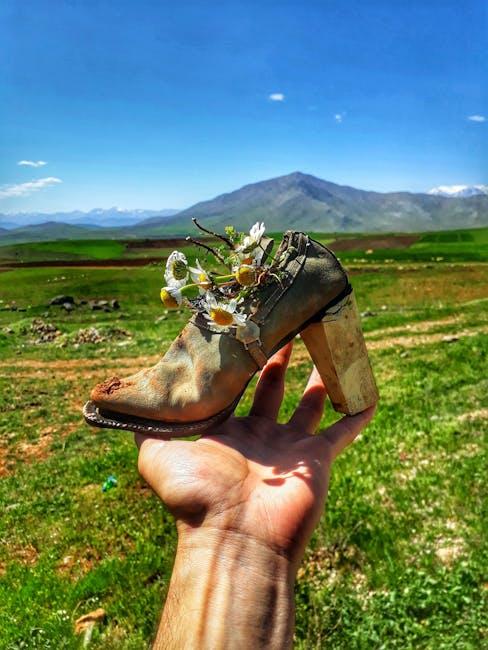
In a world where trends change with the blink of an eye and closet makeovers happen at lightning speed, the fashion industry stands at a crossroads. On one side lies fast fashion—an ever-evolving machine pumping out affordable, on-trend pieces at breakneck pace. On the other, sustainable fashion—a thoughtful movement seeking to harmonize style with responsibility, ethics, and environmental care. This article delves into the heart of this sartorial showdown, unpacking the contrasts, consequences, and commitments behind sustainable fashion and fast fashion. Join us as we explore what sets them apart, and what it means for the future of how we dress.
Understanding the Environmental Footprint of Sustainable and Fast Fashion
When comparing the environmental impacts of these two fashion models, the stark differences become apparent in every stage of their lifecycle. Fast fashion churns out garments at an overwhelming pace, emphasizing low cost and rapid trends. This approach leads to excessive water consumption, with the textile industry accounting for nearly 20% of global water waste. Moreover, synthetic fibers used in fast fashion release microplastics into oceans, causing long-lasting harm to marine ecosystems. The relentless production cycle also results in mountains of textile waste; garments often end up in landfills within months of purchase, amplifying the burden on waste management systems.
Conversely, sustainable fashion champions environmental stewardship by prioritizing quality, durability, and ethical sourcing. Key elements include:
- Use of organic or recycled materials that reduce chemical runoff
- Implementation of energy-efficient manufacturing processes
- Support for circular economy models, encouraging repair, resale, and recycling
Below is a simplified comparison to highlight key environmental metrics:
| Environmental Factor | Fast Fashion | Sustainable Fashion |
|---|---|---|
| Water Usage | 2,700 liters/ T-shirt | Less than 1,000 liters/ T-shirt |
| Waste Generated | Up to 85% discarded | Minimal, with recycling focus |
| Carbon Emissions | Significant (>1.2 billion tonnes/year) | Lower, with renewable energy use |

Exploring Social and Ethical Impacts Behind the Labels
Fast fashion often prioritizes quantity over quality, driving a cycle that exploits both human labor and the environment. Workers in low-wage countries frequently face unsafe conditions and minimal pay to keep prices low and shelves stocked. This relentless demand for cheap, trendy garments results in a staggering amount of textile waste, contributing to pollution and landfill overflow. Beyond the environmental toll, the rapid turnover erodes cultural appreciation for craftsmanship and promotes a disposable mindset among consumers.
Conversely, sustainable fashion emphasizes transparency and responsibility throughout the supply chain. By investing in fair wages, safe working environments, and eco-friendly materials, brands foster positive social change and reduce ecological footprints. Consumers supporting this movement often benefit from:
- Long-lasting, ethically-made products
- Greater accountability from brands
- Reduced environmental degradation
| Aspect | Fast Fashion | Sustainable Fashion |
|---|---|---|
| Labor Conditions | Often exploitative, low pay | Fair wages, safe workplaces |
| Environmental Impact | High pollution & waste | Low-impact materials & processes |
| Consumer Mindset | Disposable, trend-driven | Mindful, longevity-focused |

Evaluating Cost, Quality, and Longevity in Your Wardrobe Choices
When deciding between sustainable and fast fashion, the balance between cost, quality, and longevity is paramount. Fast fashion brands lure shoppers with low prices and trendy designs, but these garments often compromise on craftsmanship and fabric durability. In contrast, sustainable fashion pieces typically come with a higher initial price tag. However, that investment often translates into superior materials, thoughtful construction, and designs built to last beyond fleeting trends. Choosing wisely means looking beyond the price tag and considering the true value a piece brings over time.
To better illustrate, here’s a quick comparison:
| Aspect | Fast Fashion | Sustainable Fashion |
|---|---|---|
| Average Price | $10 – $30 | $50 – $200 |
| Material Quality | Low to Medium | High |
| Lifespan | 3-6 Months | 2+ Years |
| Environmental Impact | High | Low to Moderate |
- Cost effectiveness: Sustainable fashion may require upfront investment but offers better long-term value.
- Wear and tear: Higher quality fabrics resist fading, tearing, and pilling.
- Wardrobe versatility: Timeless sustainable pieces can be styled multiple ways for countless occasions.
Practical Steps to Embrace Sustainable Fashion in Everyday Life
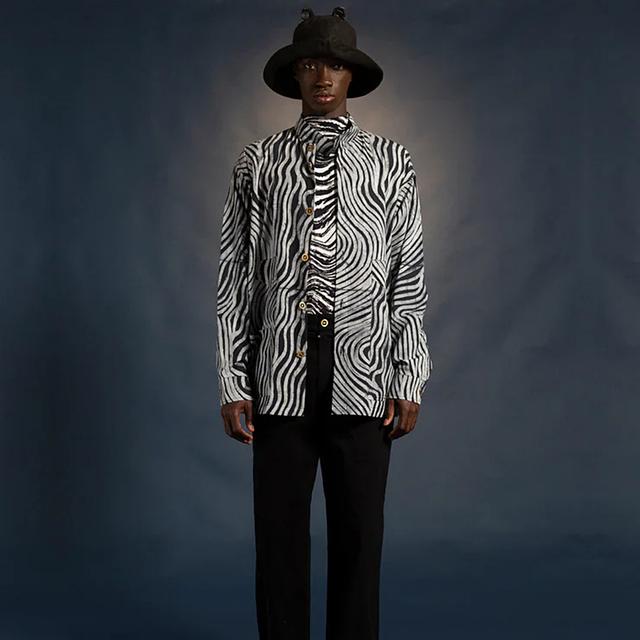
Embracing sustainable fashion is easier than it seems when you infuse a bit of mindfulness into your wardrobe choices. Start by prioritizing quality over quantity—opt for pieces made from natural fibers like organic cotton, hemp, or linen that not only last longer but also reduce environmental impact. Thrift shopping or swapping clothes with friends can give your collection a fresh twist without feeding the cycle of fast fashion’s wastefulness. Additionally, caring for your garments properly by washing them less frequently on cold settings and air-drying can extend their lifespan significantly.
To make your wardrobe truly eco-friendly, consider building a capsule collection with versatile essentials that pair well together, minimizing impulse buys and clutter. Below is a simple comparison highlighting the benefits of embracing these practical habits:
| Action | Sustainable Fashion Impact | Fast Fashion Impact |
|---|---|---|
| Buying second-hand | Reduces waste & extends clothing life | Encourages disposable culture |
| Prioritizing quality fabrics | Less environmental strain, longer wear | Often synthetic & short-lived |
| Mindful garment care | Extends life, lowers energy use | Contributes to quicker discard cycles |
- Invest in timeless pieces rather than trendy, disposable items.
- Support brands committed to ethical and transparent production.
- Reuse and recycle garments through creative DIY or donation.
Concluding Remarks
In the ever-evolving world of style, the choice between sustainable fashion and fast fashion is more than a matter of aesthetics—it’s a reflection of values and vision for the future. While fast fashion offers immediacy and affordability, sustainable fashion invites us to consider the deeper stories behind our clothes—their impact on people, planet, and longevity. Ultimately, the path we choose threads together not just our wardrobes, but the legacy we leave for generations to come. By staying informed and mindful, each purchase becomes an opportunity to weave a more thoughtful and enduring narrative in the fabric of fashion.
