

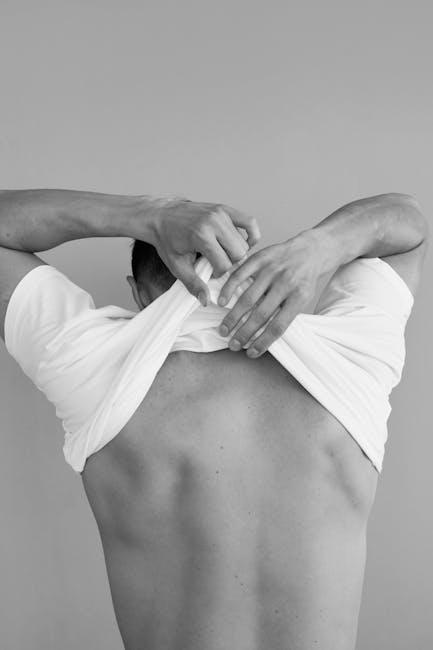
Finding the perfect fit in clothing can feel like chasing a moving target—one that shifts with every brand, fabric, and style. From sleeves that swallow your wrists to waistbands that pinch uncomfortably, fit problems are all too common and often leave us frustrated in front of the mirror. Yet, understanding the root causes and learning a few thoughtful strategies can transform the way you approach your wardrobe. In this article, we’ll explore practical tips and simple adjustments to help you avoid common clothing fit issues, ensuring that your clothes not only look good but feel tailor-made just for you.
Understanding Your Body Shape for Better Fit
Every body is unique, and recognizing your natural silhouette is key to selecting clothes that highlight your best features while providing comfort. Instead of following trends blindly, focus on how garments interact with your proportions. For example, if you have a pear-shaped figure with wider hips and a smaller upper body, prioritize tops with structured shoulders and A-line skirts that balance your frame. Conversely, an apple shape benefits from clothes that add definition around the waist, such as belted dresses or tailored tops. Understanding these nuances not only enhances your appearance but also boosts confidence in your daily wardrobe choices.
To navigate the complexity of fit, consider this quick reference table that aligns common body shapes with styling tips:
| Body Shape | Key Feature | Best Clothing Choices |
|---|---|---|
| Hourglass | Balanced bust & hips, defined waist | Fitted dresses, wrap tops, high-waisted pants |
| Rectangle | Straight silhouette, minimal curves | Peplum tops, layered looks, flared skirts |
| Inverted Triangle | Broader shoulders, narrower hips | V-necklines, A-line skirts, bootcut jeans |
| Pear | Wider hips, smaller upper body | Off-shoulder tops, tailored jackets, dark bottoms |
| Apple | Full midsection, slimmer legs | Empire waist dresses, tunics, straight-leg pants |
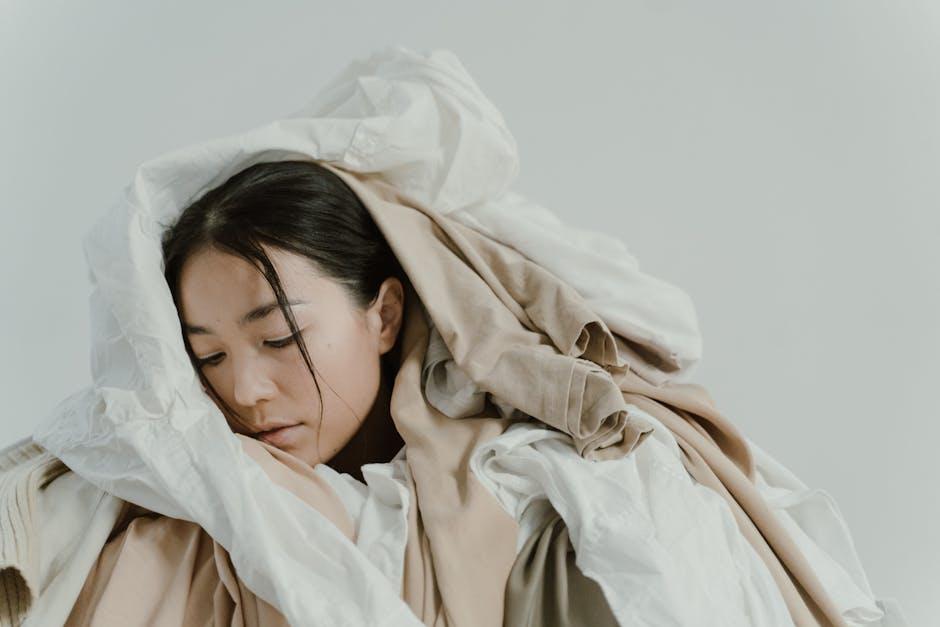
Choosing the Right Fabrics to Enhance Comfort
When selecting fabrics, consider their breathability and stretch to ensure they move with your body rather than against it. Natural fibers like cotton, linen, and bamboo are excellent for everyday wear due to their moisture-wicking properties, which help regulate temperature and reduce irritation. For more structured pieces, blends with a small percentage of elastane or spandex can provide essential elasticity without compromising shape. Keep in mind that heavier materials can cause constriction, while overly delicate fabrics may lose form quickly, so balance durability with softness.
Keep the following fabric characteristics in mind to optimize fit and comfort:
- Stretchability: Enhances freedom of movement and prevents tight spots.
- Breathability: Keeps skin cool and dry throughout the day.
- Weight: Influences drape and overall garment structure.
- Texture: Affects comfort directly against the skin and layerability.
| Fabric | Best Use | Comfort Benefit |
|---|---|---|
| Cotton | Casual shirts, dresses | Soft, breathable, hypoallergenic |
| Modal | Undergarments, loungewear | Very soft, moisture-wicking |
| Wool blend | Outerwear, tailored suits | Insulating, shape-retaining |
| Spandex blend | Activewear, fitted garments | Flexible, form-fitting |

Mastering Measurements and Alterations for Perfect Wear
Understanding your exact body measurements is the cornerstone of achieving a flawless fit. Relying solely on standard sizes often leads to discomfort and misalignment in clothing. Take time to measure key areas—bust, waist, hips, inseam, and shoulder width—with a soft measuring tape to—ensure precision. Remember, even small differences in measurements can drastically affect how a garment drapes on your body. Keeping a personal measurement chart at hand allows for smarter shopping choices, whether you’re buying off-the-rack or ordering custom pieces.
Alterations are your secret weapon for transforming “almost right” into perfect. Prioritize these common adjustment points to enhance comfort and style:
- Taking in or letting out side seams to tailor the fit around the torso.
- Adjusting sleeve length for a polished, intentional look.
- Hemline adjustments to balance proportions and enhance silhouette.
| Alteration Area | Impact on Fit | Estimated Time |
|---|---|---|
| Side Seams | Enhances body contouring | 30-45 mins |
| Sleeve Length | Creates balanced arm proportion | 20-30 mins |
| Hemming | Perfects garment length | 15-25 mins |
Tips for Avoiding Fit Issues When Shopping Online
Investing time in understanding your body measurements can be a game changer when it comes to online shopping. Before clicking the “Add to Cart” button, keep a soft measuring tape handy and take note of your chest, waist, hips, and inseam measurements. Many brands provide size charts, but the key is to compare your exact measurements rather than relying on your usual size. Also, check for specific garment details like fabric stretch and fit descriptions—terms like “slim,” “relaxed,” or “oversized” can greatly influence how a piece will hug your frame.
Another strategy is to read through customer reviews and look for photos posted by other buyers—this insight often reveals valuable information about fit and comfort that product descriptions can miss. Consider this quick reference table below to decode common size chart terms and what they mean in practice:
| Fit Term | What It Means |
|---|---|
| Slim | Closely follows body shape; little extra fabric |
| Relaxed | Roomier comfortably; not tight |
| Regular | Balanced fit; neither tight nor loose |
| Oversized | Significantly larger than typical size |
- Take advantage of free returns and order multiple sizes if uncertain.
- Pay attention to fabric type, as materials like cotton can shrink after washing.
- Check seller notes for tips on how the garment fits compared to standard sizes.
To Conclude
Finding the perfect fit doesn’t have to be a frustrating journey. By understanding common fit pitfalls and knowing how to navigate them, you can turn your wardrobe into a source of comfort and confidence. Remember, great style starts with clothes that feel as good as they look—so take the time to tailor, adjust, and choose wisely. After all, when your clothes fit well, they allow your personality to shine without distraction, making every outfit a true reflection of you.
