

In the bustling aisles of health stores and the endless scroll of online marketplaces, women’s wellness supplements promise everything from increased energy to radiant skin. With alluring claims and pastel packaging, these products often seem like a simple solution to complex health goals. Yet, beneath the surface of these colorful bottles lies a maze of ingredients and marketing that can sometimes do more harm than good. Navigating this landscape requires more than just trust—it demands knowledge. In this article, we explore which supplements deserve a cautious approach, helping you make informed choices on your journey to true wellness.
Common Ingredients in Women’s Supplements That May Cause Harm
Many women turn to supplements in pursuit of better health and vitality, but not all ingredients are created equal. Certain components commonly found in women’s wellness formulas can trigger adverse reactions or interfere with medications. Ingredients like black cohosh, often used for menopausal symptom relief, may cause liver issues in sensitive individuals. Similarly, licorice root can elevate blood pressure, posing risks for women with hypertension. Awareness of these elements empowers you to choose products that truly support well-being rather than complicate it.
Other questionable additives include certain synthetic hormones and high-dose vitamin A, which can lead to hormonal imbalances and toxicity respectively. Here’s a quick reference table summarizing some of these potentially harmful ingredients to watch out for:
| Ingredient | Potential Harm | Common Use |
|---|---|---|
| Black Cohosh | Liver Toxicity Risk | Menopause Support |
| Licorice Root | Raises Blood Pressure | Digestive Aid |
| Vitamin A (High Dose) | Vitamin Toxicity | Skin & Immune Health |
| Synthetic Hormones | Hormonal Imbalance | Menstrual Regulation |
Understanding Potential Interactions With Prescription Medications
When incorporating supplements into your wellness routine, it’s crucial to consider how they might interact with any prescription medications you are currently taking. Certain ingredients found in popular women’s supplements—such as St. John’s Wort, ginkgo biloba, or high doses of vitamin E—can amplify or diminish the effects of medications like blood thinners, antidepressants, and hormonal therapies. These interactions can lead to unexpected side effects, reduced medication efficacy, or even serious health risks. Always consult your healthcare provider before adding any new supplement to your regimen, especially if you are on chronic medications.
To give you a clearer picture, here’s a quick reference of some common supplement and prescription medication interactions to watch out for:
| Supplement | Common Medication | Potential Interaction |
|---|---|---|
| St. John’s Wort | Antidepressants, Birth Control Pills | Reduces medication effectiveness |
| Ginkgo Biloba | Blood Thinners | Increases bleeding risk |
| Vitamin E (High Dose) | Warfarin, Aspirin | May enhance anticoagulant effect |
Being informed about these interactions empowers you to make safe choices and maintain balanced wellness without compromising your prescribed treatments.
Signs Your Body Might Be Reacting Negatively to Certain Supplements
When introducing new supplements into your routine, it’s crucial to tune into how your body responds. Symptoms like persistent headaches, unexpected digestive issues, or unexplained fatigue can be subtle red flags signaling intolerance or adverse reactions. Additionally, skin irritations such as rashes, itching, or swelling often emerge when your body is struggling to process certain ingredients. Keep a daily log of any unusual sensations or changes, as these patterns are key indicators that a supplement may not be sitting well with your system.
Beyond physical symptoms, some women may experience mood fluctuations or increased anxiety linked to supplement intake. Since many wellness products contain potent herbs or vitamins, it’s easy to overshoot optimal levels, leading to overstimulation or imbalance. Use the chart below to quickly assess common warning signs and their possible causes, helping you make informed decisions before your body pays the price.
| Symptom | Possible Cause | Action Step |
|---|---|---|
| Digestive Discomfort | Excess fillers or irritants | Switch to clean, hypoallergenic formulas |
| Skin Rash or Itching | Allergic reaction to herbs or additives | Discontinue and consult healthcare provider |
| Headaches & Dizziness | High doses of stimulants or B vitamins | Lower dosage or try alternative supplements |
| Mood Swings | Hormonal imbalances caused by certain compounds | Assess supplement content and seek advice |
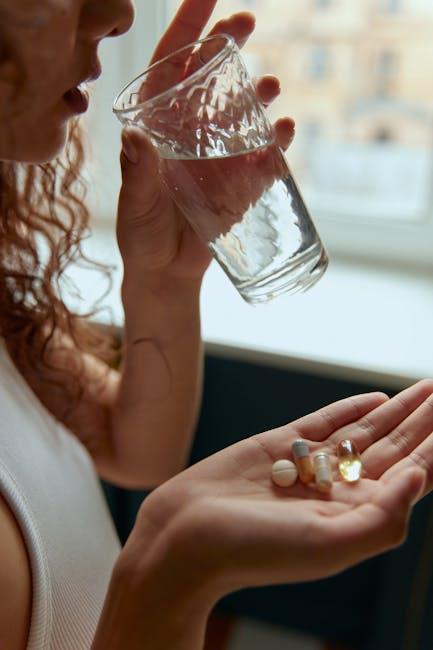
Expert Guidance on Choosing Safe and Effective Wellness Products
When selecting supplements tailored for women’s wellness, it is crucial to prioritize products that offer transparency and proven efficacy. Avoid supplements that list proprietary blends without specifying ingredient amounts, as these can mask excessive or potentially harmful dosages. Additionally, stay clear of products containing synthetic fillers, artificial colors, and unnecessary additives which might trigger allergies or diminish nutrient absorption. Natural sourcing and third-party testing are key indicators of quality in the supplement world.
Be vigilant about certain ingredients that have raised safety concerns over time. These include:
- Unregulated herbal extracts such as kava or comfrey that may cause liver damage
- Excessively high doses of fat-soluble vitamins like Vitamins A and D, which can accumulate toxicity
- Stimulants like DMAA or ephedra, banned due to dangerous cardiovascular risks
By steering clear of these, you help ensure your supplements support true wellness rather than posing hidden health hazards.
| Ingredient | Potential Risk | Suggested Alternative |
|---|---|---|
| Kava | Liver toxicity | Ashwagandha |
| High-dose Vitamin A | Vitamin A toxicity | Beta-carotene (pro-vitamin A) |
| DMAA | Cardiovascular risk | Green tea extract |
The Way Forward
In the pursuit of wellness, knowledge is your greatest ally. While supplements can offer valuable support, being mindful about what to avoid is just as important as knowing what to embrace. By steering clear of dubious ingredients and unverified claims, you empower yourself to make choices that truly honor your body’s unique needs. Remember, wellness is a personal journey—one best guided by informed decisions rather than quick fixes. Stay curious, stay cautious, and above all, listen to what your body is really telling you.
