

In a world where trends change at lightning speed and wardrobes overflow with forgotten garments, the call for sustainable fashion has never been clearer. For beginners, stepping into this eco-conscious movement can feel both exciting and overwhelming. Where do you start when every choice—from fabric to brand to care—carries weight beyond aesthetics? This guide aims to navigate those first steps, offering thoughtful insights and practical tips to help you build a wardrobe that respects both people and the planet. Embracing sustainable fashion doesn’t mean compromising style; it means redefining it with intention and care.
Understanding the Principles of Sustainable Fashion
Sustainable fashion is rooted in the idea of creating clothing that respects both people and the planet. At its core, it challenges the fast-paced, wasteful cycle of traditional fashion by emphasizing ethical production, environmental responsibility, and long-term quality. This means choosing materials that have a lower environmental footprint, supporting brands with transparent and fair labor practices, and opting for designs that stand the test of time rather than fleeting trends. By rethinking how clothes are made and consumed, sustainable fashion aims to create a balance where style does not come at the cost of the Earth’s resources or human rights.
Several key principles guide this movement, helping beginners make more informed choices.
- Material Selection: Favoring organic, recycled, or biodegradable fabrics that reduce pollution and resource use.
- Production Ethics: Ensuring workers are paid fairly and work in safe conditions.
- Durability and Care: Investing in quality pieces built to last and maintaining them properly.
- Reducing Waste: Encouraging recycling, upcycling, and mindful disposal to minimize landfill waste.
To illustrate, the following table outlines how a few common materials compare across sustainability factors:
| Material | Water Usage | Carbon Emissions | Biodegradability |
|---|---|---|---|
| Organic Cotton | Low | Moderate | Yes |
| Polyester (Recycled) | Very Low | Low | No |
| Hemp | Very Low | Low | Yes |
| Conventional Cotton | High | High | Yes |

Choosing Eco-Friendly Materials and Brands
Embracing greener choices in your wardrobe starts with exploring materials that tread lightly on the planet. Opt for fabrics like organic cotton, bamboo, and hemp, which require fewer pesticides, water, and energy during production. Innovative alternatives such as Tencel and recycled polyester are also rising stars, turning waste into wearable art. When shopping, keep an eye out for certifications like GOTS (Global Organic Textile Standard) or OEKO-TEX, which guarantee the textiles’ eco-credibility and lower environmental impact.
Beyond the fabric, choosing brands that align their values with sustainability can amplify your positive impact. Look for companies transparent about their supply chains, committed to fair labor, and investing in eco-friendly packaging. Here’s a quick guide to help pinpoint strong contenders:
| Brand Quality | Eco-Practices | Price Range | Why Choose? |
|---|---|---|---|
| Everlane | Transparent sourcing, Recycled fabrics | Mid | Ethical basics with style |
| Patagonia | Recycled materials, Fair trade certified | Mid-High | Durable outdoor wear built to last |
| People Tree | Organic cotton, Fair trade focused | Mid | Boho-inspired sustainable fashion |
| Reformation | Eco fabrics, Water-saving production | High | Trendy & eco-conscious pieces |
- Check brand mission statements to ensure sustainability is truly prioritized.
- Support local and small-scale designers who often use less resource-intensive methods.
- Read reviews and reports on ethical practices to avoid greenwashing.

Building a Versatile and Conscious Wardrobe
Creating a wardrobe that adapts effortlessly to various occasions while minimizing environmental impact begins with thoughtful choices. Focus on selecting multi-functional pieces that can be easily layered or styled differently, ensuring maximum use with minimal items. Organic cotton tees, timeless denim, and classic blazers not only provide versatility but also serve as ethical alternatives to fast fashion staples. Prioritize quality over quantity—investing in durable fabrics and well-crafted garments will save resources and time in the long run.
To further curate a mindful closet, consider implementing a simple framework that guides each purchase:
- Longevity: Will this item last beyond a single season?
- Adaptability: Can it be styled for both casual and formal settings?
- Material Impact: Is it made from sustainable or recycled fibers?
- Ethical Production: Was it produced under fair labor conditions?
| Wardrobe Essential | Sustainable Alternative | Why It Works |
|---|---|---|
| Plain White T-Shirt | Organic Cotton Tee | Breathable, durable & eco-friendly |
| Blue Jeans | Recycled Denim | Reduces water use & textile waste |
| Classic Blazer | Secondhand Wool Blazer | Extends garment life and style |
Practical Tips for Maintaining and Upcycling Clothes
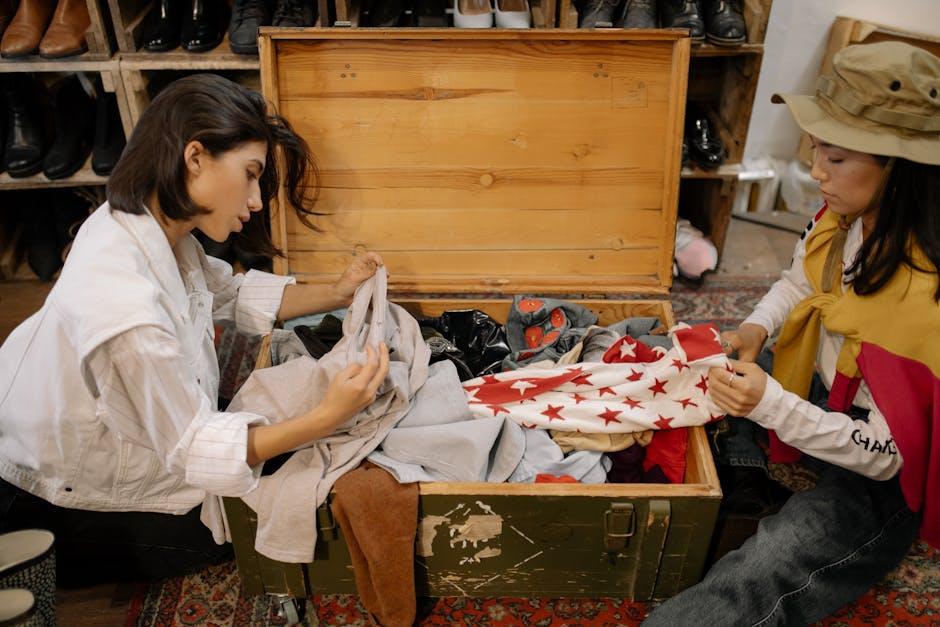
To extend the life of your garments and reduce waste, simple maintenance practices can make all the difference. Start by washing clothes less frequently and always follow care labels to avoid unnecessary wear. Use cold water cycles and natural detergents to be gentle on fabrics and the environment. Don’t overlook small repairs like sewing buttons back on or fixing small tears immediately—this prevents minor issues from turning into costly replacements. Investing in a quality lint roller and proper storage methods, such as folding knits instead of hanging, helps keep clothes looking fresh and wrinkle-free for longer.
When it comes to breathing new life into older pieces, get creative with upcycling! Transform oversized t-shirts into tote bags, or convert old jeans into stylish shorts with embellishments. An easy way to plan your projects is to categorize ideas based on item types, like below:
| Item | Upcycling Idea | Tools Needed |
|---|---|---|
| T-shirt | Reusable shopping bag | Scissors, sewing needle |
| Jeans | Denim shorts with patches | Fabric scraps, fabric glue |
| Sweater | Cozy pillow cover | Thread, stuffing |
Upcycling not only saves money but also gives you a chance to personalize your wardrobe sustainably. Embrace these practical steps, and your clothes will not only last longer, but also become one-of-a-kind pieces full of your own story.
To Conclude
Embarking on the journey toward sustainable fashion doesn’t require a complete wardrobe overhaul overnight. Every thoughtful choice, from selecting eco-friendly fabrics to supporting ethical brands, weaves together a more conscious approach to style. As beginners, the key lies in curiosity and intention—exploring, learning, and evolving your fashion habits step by step. By starting small and staying informed, sustainable fashion becomes not just a trend, but a meaningful expression of values that can grow with you over time. After all, the path to a greener closet is less about perfection and more about progress, one mindful stitch at a time.
