


In the ever-evolving world of online fashion shopping, convenience and variety come at the click of a button. Yet, amid endless scrolling and virtual carts, one common challenge persists: getting the fit just right. Unlike the tactile experience of trying on garments in a store, online shoppers often face the gamble of size charts, model proportions, and inconsistent brands. This article explores the typical fit mistakes that frequently trip up online fashion enthusiasts, shedding light on how to navigate these pitfalls and make more informed choices in the digital wardrobe hunt.
Common Fit Mistakes That Sabotage Your Online Fashion Haul
One of the most frequent pitfalls shoppers encounter is ignoring the garment’s fabric behavior and stretchability. Relying solely on measurements without considering material elasticity can make what seemed like a perfect fit turn into an uncomfortable ordeal. For instance, a bodycon dress made from a non-stretchy fabric might restrict movement, while the same size in a stretch fabric might fit like a glove. Additionally, failing to account for design cuts — such as asymmetry, bias cuts, or exaggerated hems — can cause unexpected draping and silhouette distortions once worn.
Another common mistake is neglecting to cross-check your measurements with the brand-specific size charts, assuming universal sizing standards. It’s not uncommon to find differences in sizing conventions based on region, manufacturer, or even the season’s collection. Here are some fit mishaps to watch out for during your haul:
- Overlooking shoulder width: Can make tops and jackets feel tight or droopy.
- Ignoring torso length: Leads to cropped or overly long garments that disrupt proportions.
- Forgetting hip measurements: Particularly important for skirts and fitted pants.
- Not accounting for ease allowances: Affect comfort and movement severely.
| Fit Issue | Impact | Tip |
|---|---|---|
| Too tight in shoulders | Restricted arm movement | Compare shoulder widths carefully |
| Short torso length | Skirts/pants sit too high | Check length measurements closely |
| Lack of ease in bust | Feeling constricted | Choose sizes with some stretch or ease |
Understanding Fabric and Sizing Variations Across Brands
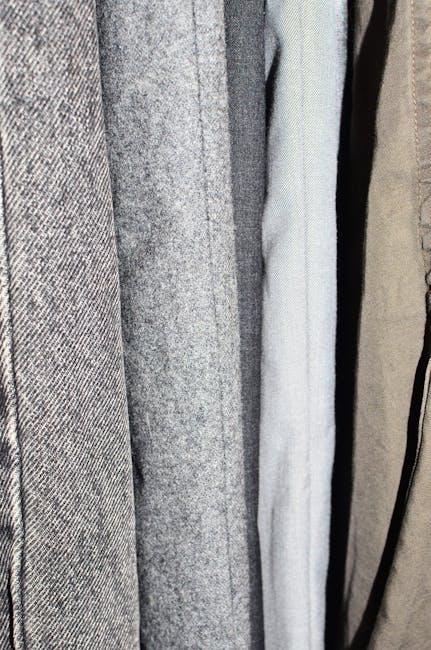
When navigating the world of online fashion, one of the trickiest challenges is deciphering how fabric impacts fit. Different materials behave uniquely—some stretch and conform, while others remain rigid. For instance, a cotton dress may feel snug initially but will loosen after a few wears, whereas polyester blends often maintain their shape much longer. Ignoring these nuances can lead to ordering items that either feel too tight or end up looking baggy. Recognizing fabric content before purchasing helps set realistic expectations for fit and comfort, especially when shopping across various brands.
Another layer of complexity arises from inconsistent sizing standards. Not all brands follow the same measurements, and what fits perfectly in one label might be ill-fitting in another. To illustrate the variability, here’s a quick size comparison chart of bust measurements for popular sizes among three fictional brands:
| Size | Brand A Bust (inches) | Brand B Bust (inches) | Brand C Bust (inches) |
|---|---|---|---|
| S | 34 | 36 | 33 |
| M | 36 | 38 | 36 |
| L | 38 | 40 | 39 |
To minimize sizing mishaps, consider these tips:
- Always check size charts: They differ widely, even for the same labeled size.
- Read fabric descriptions carefully: Stretch fabrics allow more leeway in size choice.
- Look for customer reviews: Real-life feedback often reveals fit insights the size chart misses.
How to Accurately Measure Yourself for a Flawless Fit
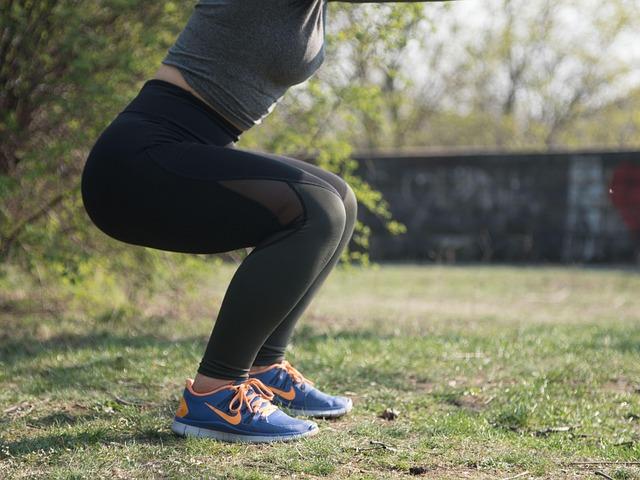
Knowing your exact body measurements is the secret weapon against fit mishaps when shopping online. Start by using a soft measuring tape and, if possible, get someone to help — accuracy suffers when you try to measure yourself alone. Focus on key areas such as the bust, waist, hips, and inseam for bottoms. Remember to keep the tape snug but not tight against your skin. Stand straight and relaxed to avoid any distortions. Also, ensure you measure over undergarments similar to what you’ll wear with the garment to capture the true fit. Consistency is essential; use the same measuring techniques and tools every time you measure to track your size changes accurately.
Once you have your measurements, compare them against the brand’s size chart rather than relying on generic sizing standards. Different designers vary widely in their cuts and fits, so your usual size might not always match their charts. Consider these quick tips to refine your measurements:
- Measure twice to confirm accuracy
- Note your height and weight as some sites factor these into size recommendations
- Pay attention to special fit details (e.g., ease, stretch) mentioned in product descriptions
| Measurement | How to Measure | Ideal Fit Notes |
|---|---|---|
| Bust | Wrap tape around fullest part of chest | Snug but allows movement |
| Waist | Measure narrowest part, usually above belly button | Comfortable, not restricting |
| Hips | Around fullest part of hips and buttocks | Ensures clothing falls smoothly |
| Inseam | From crotch to ankle | Length fits or slightly shorter for style |

Smart Tips for Avoiding Fit Issues When Shopping Online
Before clicking “Add to Cart,” take the time to measure your body accurately. Use a soft measuring tape to capture key areas like bust, waist, hips, and inseam, then compare these with the brand’s size chart. Remember, sizing varies dramatically across labels, so relying on your usual size can be misleading. Pay special attention to fit notes and fabric details—knit materials often offer more stretch, while woven fabrics require a more precise fit. If available, control zoom and 360° product views to anticipate how the design might drape or cling.
Keep a personalized fit reference sheet handy for different brands and styles. This simple chart can prevent repeated guesswork and improve your selection speed over time. Don’t shy away from checking user reviews; many buyers comment on whether the item runs large, true to size, or small. Below is a quick size-fit reference to help decode typical garment fits:
| Fit Type | Characteristics | Best For |
|---|---|---|
| Slim Fit | Close to body, tapered cuts | Body-conscious looks, lean silhouettes |
| Relaxed Fit | Looser, more room around arms and torso | Comfort, layering options |
| Regular Fit | Balanced cut, moderate ease | Everyday wear, versatile styles |
Following these practical strategies will make your online shopping much more precise and satisfying—less guesswork, fewer returns, and a wardrobe that truly fits your style and shape.
Concluding Remarks
Navigating the world of online fashion shopping can feel like a modern adventure, filled with exciting finds yet hidden pitfalls—especially when it comes to fit. By understanding common mistakes and fine-tuning your approach, you can transform those online purchases from wardrobe woes into perfect picks. Remember, a little extra attention to sizing charts, fabric details, and return policies goes a long way toward ensuring that what you order isn’t just stylish—but truly made for you. After all, in the digital age of fashion, the right fit isn’t just about measurements; it’s about confidence, comfort, and the joy of wearing something that feels like it was designed just for you.
