

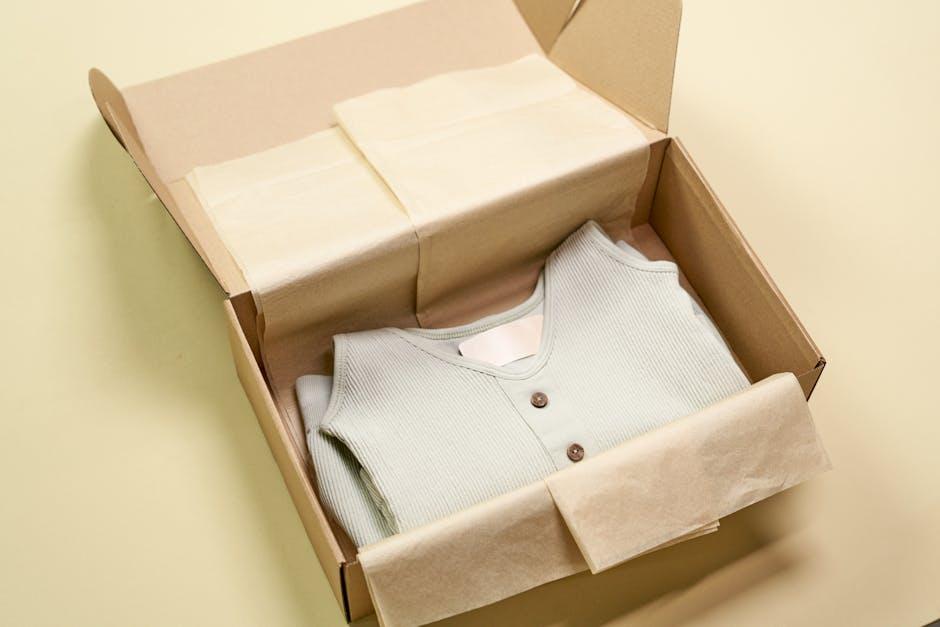
In a world increasingly aware of its environmental footprint, the clothes we wear tell a story beyond fashion and function. Sustainable clothing materials are emerging as the threads that weave together style, responsibility, and innovation. But what exactly makes a fabric sustainable, and how do these materials differ from their conventional counterparts? This exploration unravels the fibers of sustainability, offering a clear understanding of the materials paving the way toward a greener wardrobe.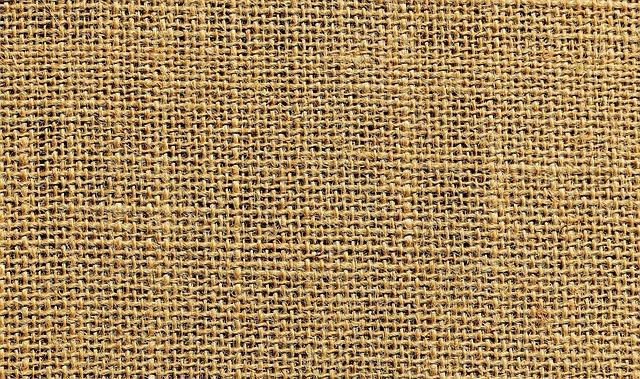
Choosing Eco-Friendly Fibers for a Greener Wardrobe
When it comes to building a closet that cares for the planet, the choice of fibers plays a crucial role. Opting for natural fibers like organic cotton, hemp, and bamboo can drastically reduce environmental impact. These materials typically require fewer pesticides, less water, and lower energy consumption in their cultivation and processing. Additionally, fibers such as linen and Tencel are gaining popularity for their biodegradability and sustainable farming methods, making them excellent alternatives to conventional fabrics. Incorporating these fibers ensures both comfort and responsibility in your wardrobe selections.
- Organic Cotton: Grown without synthetic pesticides, requiring less water.
- Hemp: Highly durable and grows quickly with minimal resources.
- Bamboo: Naturally antibacterial and fast-growing, but verify sustainable harvest.
- Linen: Derived from flax, it thrives in poor soil with little water input.
- Tencel: Made from sustainably sourced wood pulp using closed-loop processing.
| Fiber | Water Usage | Growth Time | Biodegradability |
|---|---|---|---|
| Organic Cotton | Low | 3-4 months | High |
| Hemp | Very Low | 3-4 months | High |
| Bamboo | Moderate | 3-5 years | High |
| Linen (Flax) | Low | 4 months | High |
| Tencel | Low | Varies | High |
Choosing fibers also means understanding the broader impact of their production cycle. Fibers produced through closed-loop systems, such as Tencel, recycle water and solvents during manufacturing, drastically lowering pollution levels. On the other hand, while bamboo is renewable, conventional processing methods can involve chemicals that negate its eco-friendly appeal unless certified sustainable. By focusing on materials that are both responsibly grown and ethically manufactured, consumers can support a textile industry that aligns with environmental stewardship and long-term wellness.
The Life Cycle of Sustainable Textiles Uncovered
Every sustainable textile embarks on a journey that begins well before it reaches your wardrobe. It starts in thoughtfully managed fields or innovative recycling facilities, where the raw materials are cultivated or reclaimed with minimal environmental impact. Organic cotton, hemp, and bamboo flourish without synthetic pesticides, while recycled polyester gives discarded plastics a second life. This holistic approach ensures the fibers themselves are both responsibly sourced and nourishing to the planet, setting the stage for eco-conscious fashion that tells a story of renewal.
Once harvested or processed, these fibers are transformed through eco-friendly manufacturing methods designed to reduce water usage, energy consumption, and chemical waste. Dyeing processes have evolved too, with natural dyes and low-impact techniques becoming the norm. Consider this snapshot of the lifecycle stages, highlighting their environmental advantages:
| Lifecycle Stage | Environmental Benefit |
|---|---|
| Farming & Harvesting | Reduced pesticide use & biodiversity preservation |
| Fiber Processing | Lower water consumption & chemical inputs |
| Manufacturing & Dyeing | Energy-efficient processes & natural dyes |
| End-of-Life Management | Recycling & biodegradability support circular economy |
Innovative Materials Shaping the Future of Fashion
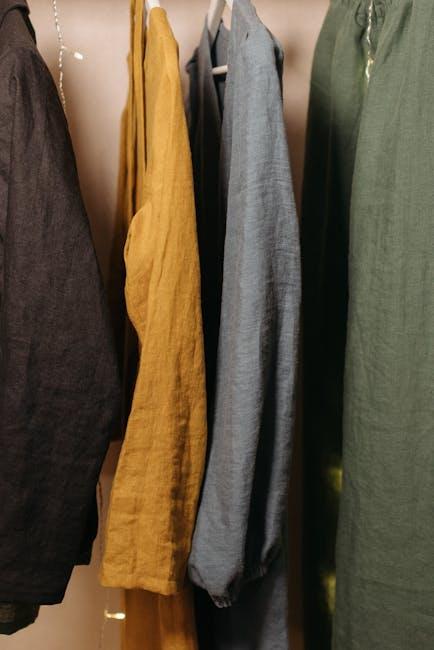
As the fashion industry pivots toward a greener future, designers and manufacturers are embracing materials that prioritize both style and sustainability. Fabrics derived from natural sources like bamboo and hemp are gaining momentum for their minimal environmental footprint and biodegradability. Meanwhile, innovations such as mycelium leather — cultivated from mushroom roots — offer a cruelty-free alternative that’s surprisingly durable and versatile. These next-generation textiles not only reduce waste but also challenge the traditional notions of luxury and comfort in clothing.
Additionally, the rise of regenerated fibers like recycled polyester and cotton is revolutionizing the way garments are produced, turning post-consumer waste into premium raw material. The table below highlights some of the standout eco-friendly fabrics that are shaping modern wardrobes:
| Material | Source | Key Benefit | Environmental Impact |
|---|---|---|---|
| Bamboo | Fast-growing grass | Soft, antibacterial | Low water use |
| Mycelium Leather | Mushroom roots | Vegan, biodegradable | Minimal carbon footprint |
| Recycled Polyester | Plastic waste | Durable, lightweight | Reduces landfill |
| Hemp | Fibrous plant stalks | Strong, breathable | Improves soil quality |
- Closed-loop production—recycling scraps into new fabric with zero waste.
- Natural dyes from plants that reduce chemical runoff.
- Biodegradable finishes replacing synthetic coatings.
Practical Tips for Purchasing and Caring for Sustainable Clothing
When choosing sustainable clothing, focus on quality over quantity. Look for garments made from natural, renewable fibers like organic cotton, hemp, or bamboo, which tend to have a lower environmental impact. Always check for certifications such as GOTS (Global Organic Textile Standard) or OEKO-TEX to ensure the material is produced responsibly. Another savvy tip is to consider the entire lifecycle of the garment—opt for timeless designs that won’t go out of style quickly, meaning fewer wardrobe rotations and less waste.
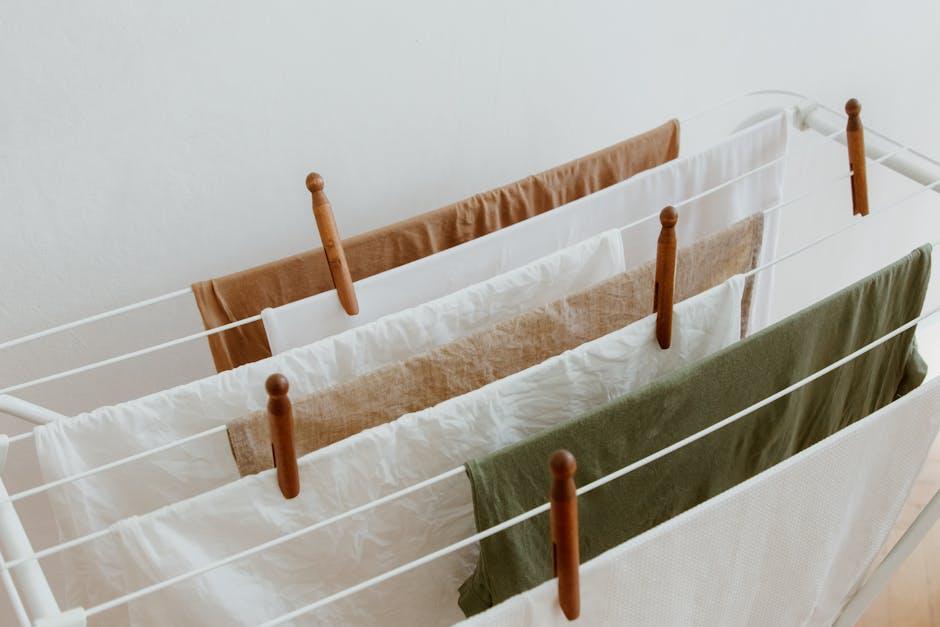
Proper care extends the life of your sustainable wardrobe significantly. Wash clothes in cold water and line dry when possible to reduce energy consumption and fabric wear. Avoid harsh detergents and opt for eco-friendly alternatives that won’t strip the fibers of their natural qualities. For delicate items, hand washing can be gentler and more sustainable. Lastly, keep a small sewing kit handy to repair minor damages instead of discarding pieces prematurely, nurturing a mindful relationship with your clothing.
| Care Tip | Benefit |
|---|---|
| Cold Water Wash | Energy Saving & Less Fiber Damage |
| Air Dry | Maintains Fabric Integrity |
| Eco-friendly Detergent | Prevents Chemical Pollution |
| Timely Repairs | Extends Life of Garment |
Key Takeaways
As the fashion industry continues to evolve, understanding the materials we choose is more important than ever. Sustainable fabrics are not just a trend—they represent a thoughtful shift toward responsibility and innovation. By embracing these eco-friendly options, we’re weaving a future where style and sustainability coexist seamlessly. The next time you shop, let your choices tell a story of care, conscious living, and a commitment to the planet we call home. After all, every fiber matters.
