

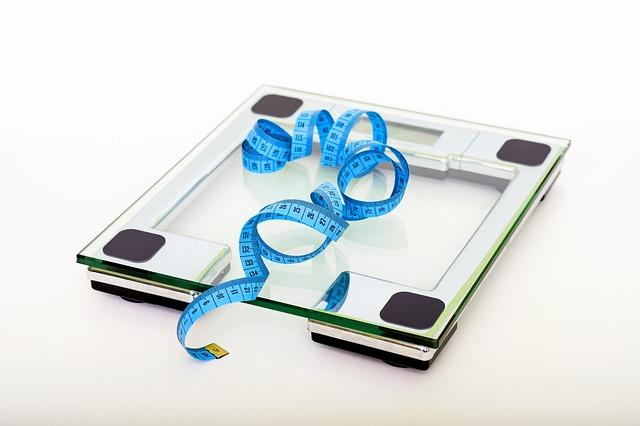
Finding the perfect fit goes beyond simply picking your usual size off the rack. Whether you’re shopping for tailored clothing, activewear, or even custom-made pieces, knowing how to measure yourself accurately can make all the difference between comfort and compromise. In this article, we’ll guide you through the straightforward yet essential steps to measure your body properly—empowering you to make informed choices that flatter your shape and boost your confidence. Say goodbye to guesswork and hello to a fit that feels truly made for you.
Understanding Key Body Measurements for Accurate Sizing
Getting the right fit starts with knowing your essential body measurements. This means understanding the dimensions that influence how garments drape and feel on your body. Key measurements typically include bust/chest, waist, hips, and inseam. Each plays a distinct role: the bust or chest measurement helps with tops and dresses, the waist guides how pants and skirts fit, hips ensure comfortable movement and silhouette accuracy, while the inseam is critical for properly fitting trousers or jeans. Taking these measurements accurately can eliminate guesswork and shopping frustration, empowering you with confidence to choose pieces that truly complement your form.
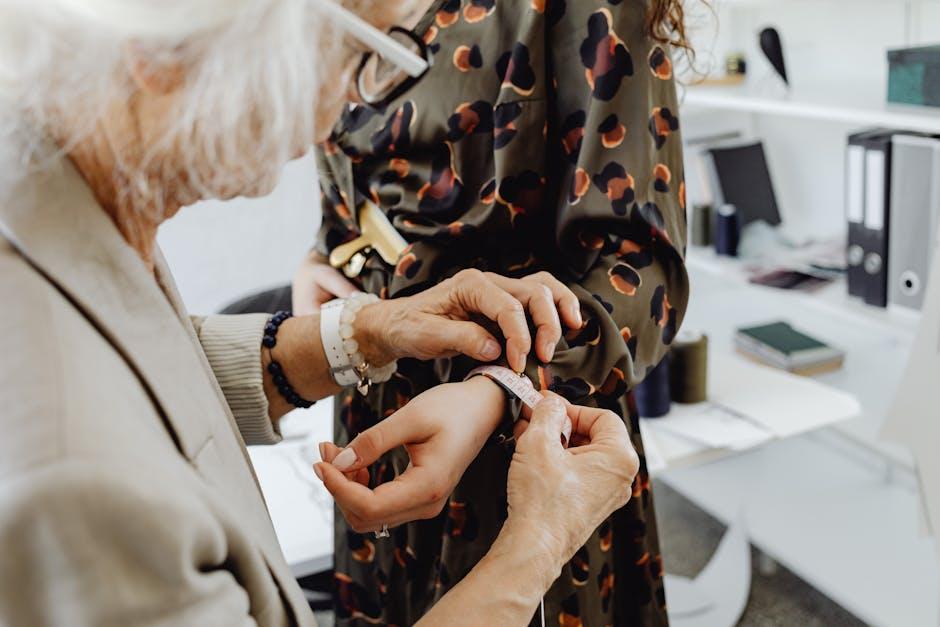
When measuring, consider using a soft measuring tape and wear minimal clothing for precision. Here’s a quick checklist to help capture your key sizes:
- Bust/Chest: Measure around the fullest part, keeping the tape parallel to the floor.
- Waist: Find your natural waistline—typically just above your belly button—and keep the tape snug but not tight.
- Hips: Measure around the widest area of your hips and buttocks.
- Inseam: Measure from the crotch seam to the bottom of your ankle for pants length.
| Measurement | Ideal Tape Placement |
|---|---|
| Bust/Chest | Fullest part, around nipples |
| Waist | Natural waistline, above belly button |
| Hips | Widest part of hips and buttocks |
| Inseam | Crotch to ankle bone |
Choosing the Right Tools to Enhance Measurement Precision
Precision in measurement begins with selecting the right tools that suit your specific needs. A quality measuring tape, preferably one made of flexible fiberglass or soft plastic, ensures accurate contours when wrapping around your body. Avoid metal tapes as they can dig into the skin or lack the flexibility needed for curves. Additionally, a handy mirror and a notepad can be invaluable for self-measurement, helping you maintain consistent posture and record your numbers instantly. For those seeking extra accuracy, consider a digital tape measure or even a body measurement app designed to map your body’s dimensions with guided prompts.
When measuring, it’s beneficial to have a few auxiliary tools on hand to improve consistency and repeatability:
- Clips or pins to hold your measuring tape in place, freeing up your hands.
- Elastic bands to mark standard points around your body, like hips or waist levels.
- Height chart or stand for accurate vertical measurement.
| Tool | Benefit | Recommended Features |
|---|---|---|
| Measuring Tape | Flexible, contours smoothly | Fiberglass, 60-150 inches |
| Digital Tape | Accurate, easy to read | Auto-lock, metric & imperial units |
| Mirror | Monitor posture | Full-length, anti-glare |
Step by Step Guide to Measuring Your Bust Waist and Hips
Start by selecting a soft measuring tape and a well-fitting, non-padded bra to ensure accuracy. To measure your bust, wrap the tape around the fullest part of your chest, usually across your nipples, keeping the tape parallel to the floor. Make sure it’s snug but not tight, allowing for natural breathing space. For your waist, find the narrowest point of your torso, typically above the belly button and below the rib cage. Stand upright and breathe normally while measuring, keeping the tape comfortably close but not squeezing the skin. When measuring your hips, place the tape around the widest part of your hips and buttocks, ensuring it’s level all the way around. A mirror can be helpful to check that the tape stays straight.
Here’s a quick checklist to help you avoid common pitfalls:
- Measure on bare skin or tight clothing to avoid inaccuracies.
- Keep the measuring tape parallel to the floor for consistent results.
- Don’t hold your breath—maintain a natural posture.
- Repeat each measurement twice for precision.
| Area | Where to Measure | Tips |
|---|---|---|
| Bust | Fullest part of your chest | Wear a light bra for support |
| Waist | Narrowest torso point | Relax your abdomen |
| Hips | Widest part of hips and buttocks | Use a mirror for accuracy |
Tips for Interpreting Measurements to Find Your Ideal Fit
Understanding your measurements is key to unlocking the perfect fit, but numbers alone don’t tell the whole story. Always cross-check your dimensions against the sizing charts provided by the brand, as sizing can vary significantly between manufacturers. Pay attention to which part of your body the measurement corresponds to, and keep in mind how different fabrics and garment styles influence the final fit. For example, a snug chest measurement might call for a stretchier fabric or a cut designed to accommodate movement. When measuring, use a flexible tape measure and stand naturally to ensure accuracy—tension in the body can skew results.
Here are some pointers to help you interpret your numbers effectively:
- Compare more than one measurement: Fit is holistic—knowing both your waist and hip measurements can guide better choices for pants and skirts.
- Consider ease and comfort: Allow for extra space depending on the garment use—casual wear typically needs more room, while fitted garments require precise tailoring.
- Re-measure periodically: Body shapes can change over time, so refresh your measurements every 6-12 months.
| Measurement | Fit Tip |
|---|---|
| Chest | Choose a size with 1-2” ease for layering. |
| Waist | Match exact size for structured garments. |
| Hips | Allow up to 3” ease for skirts and pants. |
| Inseam | Measure with shoes on for length accuracy. |
In Summary
Measuring yourself accurately is more than just numbers—it’s the foundation of comfort, confidence, and style. By taking the time to understand your unique shape, you can unlock the true potential of every garment you wear. Whether shopping online or tailoring a favorite piece, these simple steps ensure that fit is never a guessing game. So, embrace the tape measure, trust the process, and step into clothes that feel made just for you. After all, the best outfit is one that fits like a second skin.
