

In a world increasingly conscious about what we put on our skin, the quest for clean skincare ingredients has never been more important. As beauty routines evolve beyond mere aesthetics to embrace health and sustainability, understanding what goes into your products is key. But with a sea of buzzwords and labels, it can be challenging to separate truly nourishing ingredients from gimmicks. This article guides you through the clean skincare essentials—those thoughtfully chosen components that not only respect your skin’s natural balance but also align with a mindful approach to self-care. Whether you’re a dedicated minimalist or a curious newcomer, discovering these ingredients can transform your regimen into a ritual of gentle, effective wellness.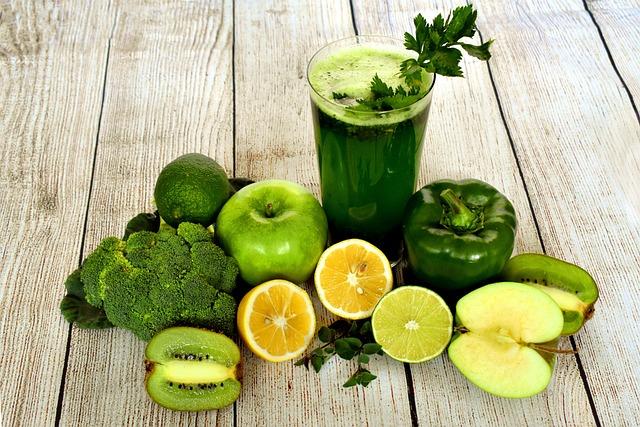
Understanding the Role of Natural Antioxidants in Skincare
Natural antioxidants are powerhouse ingredients that protect the skin from environmental damage caused by free radicals, which are unstable molecules that accelerate aging and dullness. By neutralizing these harmful agents, antioxidants help maintain skin’s youthful glow and firmness. Ingredients like vitamin C, green tea extract, and coenzyme Q10 not only act as shields but also support skin repair and boost collagen production. This makes them essential in formulations designed to combat signs of aging, improve texture, and brighten complexion.
Including natural antioxidants in your skincare routine offers a multi-faceted approach to skin health. These compounds often carry anti-inflammatory properties, soothing irritation and reducing redness, which benefits sensitive and acne-prone skin alike. When searching for clean skincare products, prioritize those featuring:
- Vitamin E – A fatty antioxidant that helps maintain skin moisture and promotes healing.
- Resveratrol – A potent antioxidant found in grapes that enhances cellular repair.
- Niacinamide – A form of vitamin B3 that improves skin barrier function and evens tone.
- Ferulic Acid – Often paired with vitamins C and E to amplify antioxidant benefits.
| Antioxidant | Main Benefit | Skin Type |
|---|---|---|
| Vitamin C | Brightening & Collagen Boost | All skin types |
| Green Tea Extract | Calming & Anti-inflammatory | Sensitive, Oily |
| Coenzyme Q10 | Anti-aging & Protection | Mature skin |
| Niacinamide | Barrier Strength & Redness Reduction | All skin types |
Harnessing the Power of Plant-Based Moisturizers for Sensitive Skin
When it comes to gentle hydration, nature offers a wealth of plant-derived ingredients that soothe and nourish without irritating sensitive skin. Ingredients like aloe vera, chamomile extract, and calendula provide calming benefits while locking in moisture, creating a protective barrier that helps skin stay balanced and resilient. Unlike synthetic additives, these botanical moisturizers come loaded with antioxidants and essential nutrients that work harmoniously with your skin’s natural ecosystem.
Look for these clean, plant-based moisturizers in your skincare routine:
- Aloe Vera: Hydrates deeply while reducing redness and inflammation.
- Shea Butter: Rich in vitamins A and E, it restores softness and promotes skin repair.
- Jojoba Oil: Mimics natural skin oils to balance moisture without clogging pores.
- Green Tea Extract: Offers antioxidant protection and soothes irritation.
| Ingredient | Skin Benefit | Best For |
|---|---|---|
| Aloe Vera | Calming & moisturizing | Redness-prone |
| Shea Butter | Deep nourishment | Dry, flaky |
| Jojoba Oil | Moisture balance | Combination |
| Green Tea | Antioxidant & soothing | Sensitive & reactive |

Essential Vitamins and Minerals That Promote Healthy Skin
A glowing complexion starts from the inside out, and certain vitamins and minerals play a pivotal role in maintaining the skin’s natural barrier and radiance. Vitamin C is a powerhouse antioxidant that not only brightens the skin but also stimulates collagen production, helping to reduce fine lines and improve elasticity. Meanwhile, Vitamin E protects against environmental damage by neutralizing free radicals, keeping the skin youthful and hydrated. Essential minerals like zinc work wonders by calming inflammation and supporting the skin’s healing process, while selenium acts as a shield against UV damage, enhancing your skin’s resilience.
Incorporating these nutrients into skincare formulations ensures a holistic approach to beauty, providing nourishment beyond surface-level moisture. Look out for these ingredients in their pure forms or rich derivatives in your products:
- Vitamin C (Ascorbic Acid) – Brightening and collagen enhancer
- Vitamin E (Tocopherol) – Antioxidant and moisturizer
- Zinc – Anti-inflammatory and skin repair agent
- Selenium – Protects skin from oxidative stress
- Vitamin A (Retinol/Carotenoids) – Promotes cell turnover and smoothness
| Vitamin/Mineral | Primary Benefit | Natural Sources |
|---|---|---|
| Vitamin C | Collagen synthesis & brightening | Citrus fruits, strawberries, broccoli |
| Vitamin E | Antioxidant protection & hydration | Almonds, sunflower seeds, spinach |
| Zinc | Inflammation reduction & healing | Pumpkin seeds, oysters, lentils |
| Selenium | UV defense & antioxidant shield | Brazil nuts, eggs, mushrooms |
| Vitamin A | Cell renewal & skin smoothness | Carrots, sweet potatoes, kale |
Choosing Non-Toxic Preservatives for Safe and Effective Formulations
When formulating skincare products, selecting preservatives that align with clean beauty standards is crucial for both safety and efficacy. Opting for non-toxic preservatives not only extends the shelf life but also minimizes the risk of irritation and allergic reactions. Ingredients like phenoxyethanol, ethylhexylglycerin, and potassium sorbate offer gentler alternatives to conventional synthetic preservatives, making them ideal for sensitive skin types. Incorporating these preserves also supports a product’s natural integrity while maintaining broad-spectrum antimicrobial protection.
Understanding the balance between preservation and purity can be simplified by considering the following:
- Broad-Spectrum Efficacy: Choose preservatives effective against bacteria, yeasts, and molds.
- Low Irritation Potential: Favor preservatives with minimal sensitization risk.
- Compatibility: Ensure the preservative complements the formula’s pH and ingredients.
- Renewable Sources: Whenever possible, opt for preservatives derived from natural or sustainable origins.
| Preservative | Source | Skin Compatibility | Key Benefit |
|---|---|---|---|
| Phenoxyethanol | Synthetic | Low irritation | Broad-spectrum |
| Potassium Sorbate | Natural (sorbic acid derivative) | Gentle | Mold inhibition |
| Ethylhexylglycerin | Synthetic (natural-origin derived) | Non-sensitizing | Skin conditioning & preservation synergy |
In Retrospect
Embracing clean skincare is more than just a trend—it’s a thoughtful choice to nurture your skin with ingredients that are both effective and kind. By keeping an eye out for wholesome components like aloe vera, jojoba oil, and antioxidant-rich botanicals, you invite a natural glow that radiates from within. Remember, clean beauty is a journey, not a destination; with every mindful purchase, you’re not only caring for your skin but also supporting a healthier planet. So next time you browse the beauty aisle, let these clean ingredients be your trusted companions on the path to radiant, confident skin.
