


In the ever-evolving world of skincare, anti-aging serums have emerged as powerful allies in the quest for youthful, radiant skin. Touted for their concentrated formulas and ability to target fine lines, wrinkles, and dullness, these elixirs have captured the attention of beauty enthusiasts and experts alike. But with countless options on the market, how does one separate effective products from mere hype? Dermatologists, who see the skin up close and personal every day, often turn to a select few serums they trust to deliver visible results. This article explores those dermatologist-recommended anti-aging serums — the science-backed solutions that could become essential staples in your skincare routine.
Understanding Key Ingredients in Anti-Aging Serums and Their Benefits
Anti-aging serums owe their efficacy to potent ingredients carefully selected for their ability to target aging signs at the cellular level. Retinol, a derivative of Vitamin A, is celebrated for its power to stimulate collagen production and accelerate cell turnover, resulting in smoother, firmer skin. Equally impactful are antioxidants like Vitamin C and E, which combat free radical damage caused by UV exposure and pollution, helping to prevent premature wrinkles and brighten dull complexions. Hyaluronic acid adds another layer of defense by locking in moisture, enhancing skin plumpness and elasticity, and softening fine lines.
Below is a handy guide to some commonly found ingredients in anti-aging serums and the benefits they bring:
| Ingredient | Primary Benefit | Skin Type Suitability |
|---|---|---|
| Retinol | Boosts collagen & cell renewal | Normal to oily |
| Vitamin C | Brightens skin & protects from free radicals | All skin types |
| Hyaluronic Acid | Deep hydration & plumps skin | All skin types, especially dry |
| Peptides | Supports skin structure & firmness | Normal to mature skin |
| Niacinamide | Reduces inflammation & evens skin tone | Sensitive & acne-prone |
- Peptides act as messengers, signaling the skin to rebuild collagen and elastin fibers, key elements that fade with age.
- Niacinamide not only minimizes redness but also strengthens the skin’s barrier, enhancing overall resilience.
- Many serums strategically combine these ingredients to create a multi-action formula, delivering anti-aging benefits while also improving skin texture and tone.

How Dermatologists Select Serums for Different Skin Types
When dermatologists choose serums for their patients, the approach is highly personalized, taking into account the unique characteristics of each skin type. For dry skin, they look for serums rich in hydrating ingredients like hyaluronic acid and ceramides that restore moisture and strengthen the skin barrier without causing irritation. In contrast, those with oily or acne-prone skin benefit from lightweight, non-comedogenic serums that contain salicylic acid or niacinamide, which help control sebum production and reduce inflammation without stripping the skin of essential oils.
For sensitive skin, specialists prioritize formulations with soothing agents such as aloe vera, chamomile, or centella asiatica, avoiding harsh exfoliants and fragrances that could trigger reactions. Meanwhile, combination skin might require a balanced serum that effectively hydrates dry patches while managing oil in the T-zone. The table below highlights common serum ingredients and their alignment with various skin types:
| Skin Type | Key Serum Ingredients | Dermatologist’s Focus |
|---|---|---|
| Dry | Hyaluronic Acid, Ceramides, Squalane | Intense hydration, barrier repair |
| Oily/Acne-Prone | Salicylic Acid, Niacinamide, Zinc | Oil control, anti-inflammatory |
| Sensitive | Aloe Vera, Chamomile, Centella Asiatica | Soothing, minimal irritants |
| Combination | Vitamin C, Lightweight Peptides | Balanced hydration, antioxidant support |
Top Dermatologist-Recommended Anti-Aging Serums for Visible Results
When it comes to reversing the signs of aging, dermatologists often turn to serums packed with potent ingredients that penetrate deeply to stimulate cell renewal and enhance skin texture. Retinol remains a top favorite, praised for its ability to boost collagen production and diminish fine lines. Meanwhile, antioxidants like Vitamin C fight oxidative stress and brighten dull complexion, making it a staple in many anti-aging routines. Hyaluronic acid serums not only provide intense hydration but also plump the skin, reducing the appearance of wrinkles instantly. These high-performance formulations work synergistically, targeting multiple aging concerns with visible improvements in firmness and radiance.
To simplify your selection, here’s a quick overview of dermatologist-approved anti-aging ingredients and their benefits:
- Niacinamide: Improves elasticity and evens out skin tone.
- Peptides: Stimulate collagen synthesis for smoother skin.
- Alpha Hydroxy Acids (AHAs): Gently exfoliate dead cells revealing fresher skin beneath.
- Bakuchiol: A gentler alternative to retinol with similar anti-aging effects.
| Ingredient | Key Benefits | Ideal For |
|---|---|---|
| Retinol | Boosts collagen, reduces wrinkles | Mature, uneven skin |
| Vitamin C | Brightens, fights free radicals | Dull, sun-damaged skin |
| Hyaluronic Acid | Hydrates, plumps skin | Dry, dehydrated skin |
| Niacinamide | Improves elasticity, evens tone | All skin types |
Tips for Incorporating Anti-Aging Serums into Your Daily Skincare Routine
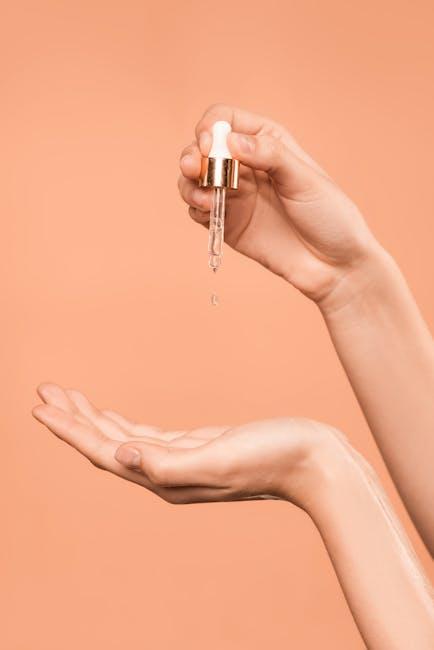
Integrating anti-aging serums into your skincare routine can be a game-changer when done thoughtfully. Consistency is key: apply your serum daily to see the best results, ideally after cleansing and toning but before moisturizing. Start with a small amount—usually a pea-sized drop—and gently pat it into your skin rather than rubbing. This encourages absorption and minimizes irritation. Also, always perform a patch test before fully introducing a new serum to avoid unexpected reactions. For daytime use, don’t forget to follow with a broad-spectrum SPF to protect your rejuvenated skin from harmful UV rays.
Optimizing effectiveness means understanding your serum’s ingredients and how they interact with other products. For instance, serums rich in vitamin C pair beautifully with hydrating ingredients like hyaluronic acid but should not be mixed directly with retinol, which can cause sensitivity. Below is a quick reference table to help you combine ingredients wisely and maximize benefits:
| Ingredient | Best Paired With | To Avoid Mixing With |
|---|---|---|
| Vitamin C | Hyaluronic Acid, Niacinamide | Retinol, Benzoyl Peroxide |
| Retinol | Peptides, Moisturizers | Vitamin C, AHAs/BHAs |
| Hyaluronic Acid | Almost All Ingredients | None |
In Summary
In the ever-evolving world of skincare, anti-aging serums stand out as potent allies in the quest for radiant, youthful skin. While formulas and ingredients may vary, the consistent thread remains clear: dermatologists advocate for serums that combine science with efficacy. Whether you’re just beginning to explore preventative care or looking to enhance an existing routine, choosing a dermatologist-recommended serum can be a thoughtful step towards lasting skin health. After all, aging is inevitable, but how your skin tells that story is entirely up to you.
