

In a world increasingly drawn to natural wellness, aromatherapy has blossomed from an ancient practice into a modern-day remedy embraced by many. The gentle scent of lavender or the crisp aroma of eucalyptus can evoke calm, awaken the senses, or even spark memories long forgotten. Yet, amid this fragrant popularity, a haze of myths often clouds the true nature of aromatherapy’s benefits and limits. Separating fact from fiction can be as subtle as distinguishing one essential oil from another. In this article, we’ll embark on a clear-eyed journey through the myths and facts surrounding aromatherapy—peeling back layers of misconception to reveal what this fragrant art can genuinely offer.
Common Misconceptions About Aromatherapy Unveiled
Despite its popularity, aromatherapy is often misunderstood and surrounded by a cloud of myths. Many believe that essential oils can cure serious medical conditions instantly or that all natural means completely safe. In reality, while essential oils offer mood enhancement and relaxation benefits, they are not substitutes for professional medical treatment. Additionally, improper use like applying undiluted oils directly to the skin can cause irritation or allergic reactions. Another common misconception is that more scent means better effects; however, overwhelming fragrances can actually cause headaches or discomfort instead of relief.
To shed light on these misunderstandings, consider the following quick facts:
- Essential oils require proper dilution to be safe for topical application.
- Aromatherapy supports wellness but is not a miracle cure for diseases.
- Individual responses vary; what works for one person may not work for another.
- Quality matters: synthetic or adulterated oils may lack therapeutic benefits.
| Myth | Reality |
|---|---|
| Essential oils cure cancer. | They complement wellness but cannot replace medical treatment. |
| Natural equals safe in all cases. | Natural oils can cause reactions if misused. |
| More scent means stronger effect. | Subtle aroma often provides better therapeutic benefits. |

The Scientific Evidence Behind Aromatherapy Benefits
Aromatherapy has garnered significant attention not merely from wellness enthusiasts but also from the scientific community. Numerous studies have investigated the physiological and psychological effects of essential oils, revealing that certain compounds can influence mood, stress levels, and even pain perception. For example, lavender oil has been shown to have anxiolytic properties, potentially helping reduce anxiety and improve sleep quality. Meanwhile, eucalyptus and peppermint oils may support respiratory function by acting as natural decongestants. However, it’s essential to note that research results can vary broadly depending on the methodology and oil concentration used, highlighting the need for well-controlled clinical trials.
Below is a summary of some commonly studied essential oils and their evidence-based effects:
| Essential Oil | Reported Benefit | Scientific Support Level |
|---|---|---|
| Lavender | Reduces anxiety, improves sleep | Moderate |
| Peppermint | Relieves headaches, boosts alertness | Limited |
| Eucalyptus | Supports respiratory health | Moderate |
| Tea Tree | Antimicrobial effects | Preliminary |
- Note: The efficacy of aromatherapy greatly depends on individual response and the quality of oils used.
- Essential oils should never replace conventional medical treatments, especially for serious conditions.
- Consultation with healthcare professionals is recommended before integrating aromatherapy into health routines.

Safe Practices and Effective Usage Tips for Aromatherapy
To enjoy aromatherapy safely, always dilute essential oils properly before applying them to your skin. Undiluted oils can cause irritation or allergic reactions, especially for sensitive skin types. Conduct a patch test on a small area before widespread use. Remember, quality matters—choose pure, therapeutic-grade oils from reputable sources to avoid additives that might cause harm. When diffusing, ensure good ventilation and limit sessions to 30-60 minutes to prevent headaches or respiratory discomfort.
Incorporate these effective usage habits to maximize benefits without risks:
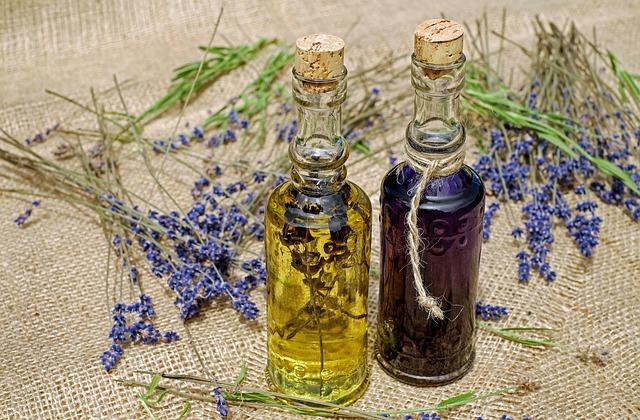
- Store oils in dark glass bottles away from sunlight to preserve potency.
- Use a diffuser or carrier oils—never ingest essential oils without expert guidance.
- Keep oils out of reach of children and pets, as some can be toxic.
- Avoid usage during pregnancy or certain health conditions without consulting a healthcare professional.
- Rotate oils to prevent sensory fatigue and maintain therapeutic effects.
| Practice | Benefit |
|---|---|
| Dilution with Carrier Oil | Prevents skin irritation |
| Limited Diffusion Time | Reduces respiratory discomfort |
| Proper Storage | Maintains oil potency |
| Patch Testing | Identifies allergies early |
Choosing Quality Products to Enhance Your Aromatherapy Experience
Investing in pure, high-quality essential oils and accessories can make a world of difference in the effectiveness of your aromatherapy sessions. Inferior oils often contain synthetic fragrances or fillers that not only diminish the therapeutic benefits but may also cause adverse reactions. When selecting your products, look for clear labels stating the botanical name, extraction method, and country of origin. Additionally, certifications such as organic, therapeutic grade, or GC/MS-tested can serve as reliable indicators of authenticity and purity.
Beyond essential oils, the tools you use to diffuse and blend your aromas impact the overall experience. Ultrasonic diffusers, for example, disperse oils gently without heat, preserving their delicate properties. Here’s a quick comparison to help guide your choices:
| Product | Effect on Oil Quality | Recommended Use |
|---|---|---|
| Ultrasonic Diffuser | Gentle dispersal, maintains purity | Daily use, relaxation, sleep aid |
| Heat Diffuser | Can alter scent, possible oil degradation | Short sessions, room scent only |
| Reed Diffuser | Slow release, no heat involved | Continuous mild fragrance |
- Storage matters: Keep oils in dark glass bottles away from sunlight.
- Check expiration dates: Essential oils degrade over time, so freshness is key.
- Avoid synthetic blends: Pure oils provide true therapeutic value without unwanted additives.
Key Takeaways
As the fragrant oils settle and the mist of misconceptions begins to clear, it’s evident that aromatherapy is neither a cure-all nor mere fragrance folly. Understanding the blend of myths and facts allows us to appreciate its true essence—an ancient art that, when approached with knowledge and mindfulness, can offer genuine moments of calm and well-being. So next time you breathe in the scent of lavender or eucalyptus, do so with a balanced breath, embracing both the science and the stories that shape this aromatic world.
