


In a world overflowing with endless jars, bottles, and promises, choosing skincare that actually works can feel like navigating a maze blindfolded. From glowing magazine ads to influencer endorsements, every product claims to be the miracle solution for your unique skin concerns. Yet, beneath the surface of glossy labels lies a complex world of ingredients, skin types, and science waiting to be understood. This article invites you to step back from the hype and discover how to select skincare with clarity and confidence—because effective skincare isn’t about following trends, but about knowing your skin and making informed choices that truly nourish and protect it.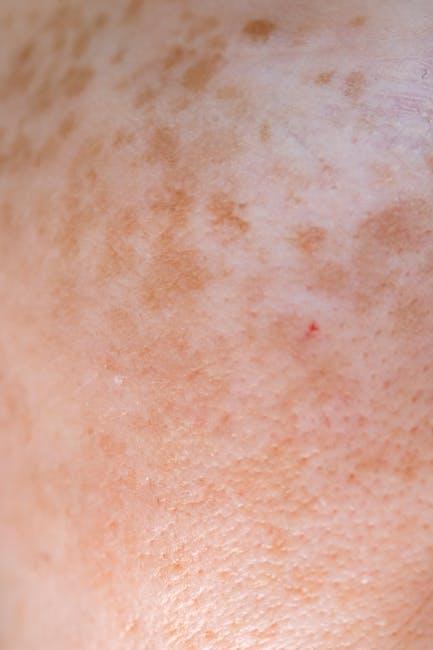
Understanding Your Skin Type and Its Unique Needs
Each skin type tells its own story, guiding which products will best nurture and protect it. Whether your skin leans toward dryness, oiliness, combination, or sensitivity, understanding these distinguishing characteristics lays the foundation for a tailored routine. Dry skin craves deep hydration and gentle nourishment, while oily skin benefits from lightweight, mattifying formulas that balance shine without stripping essential moisture. Combination skin demands a strategic approach, targeting both oily zones and dry patches separately. Sensitive skin calls for soothing, fragrance-free options that calm irritation and bolster the skin’s natural barrier.
To help you identify your unique skin needs, consider these key traits:
- Dry Skin: Flaky texture, dullness, tightness
- Oily Skin: Visible shine, enlarged pores, prone to breakouts
- Combination Skin: Oily T-zone, dry cheeks
- Sensitive Skin: Redness, itching, stinging sensations
| Skin Type | Ideal Ingredients | Ingredients to Avoid |
|---|---|---|
| Dry | Hyaluronic Acid, Ceramides, Shea Butter | Alcohol, Strong Fragrances |
| Oily | Salicylic Acid, Niacinamide, Clay | Heavy Oils, Silicones |
| Combination | Lightweight Moisturizers, Balancing Toners | Harsh Alcohols, Dense Creams |
| Sensitive | Aloe Vera, Chamomile, Oat Extract | Fragrances, Harsh Exfoliants |

Decoding Ingredient Labels to Find Effective Formulations
When scanning the back of your favorite skincare product, the list of ingredients can feel like an indecipherable chemical code. However, learning a few key terms can transform this confusion into confidence. Focus on active ingredients — these are the components responsible for delivering visible results, such as hyaluronic acid for hydration, retinol for anti-aging, or salicylic acid for acne treatment. Meanwhile, natural extracts might sound appealing but often work best in synergy with scientifically backed actives. Remember, the order matters too: ingredients listed first are generally present in higher concentrations, which means more impact, provided they’re effective for your skin type.
- Humectants: Draw moisture into the skin (e.g., glycerin, hyaluronic acid)
- Emollients: Smooth and soften the skin (e.g., squalane, shea butter)
- Exfoliants: Remove dead skin cells (e.g., glycolic acid, lactic acid)
- Antioxidants: Fight free radicals (e.g., vitamin C, niacinamide)
| Ingredient | Function | Best For |
|---|---|---|
| Niacinamide | Reduces inflammation & improves texture | All skin types, especially sensitive |
| Retinol | Boosts collagen & cell turnover | Aging & acne-prone skin |
| Salicylic Acid | Penetrates pores & exfoliates | Oily and acne-prone skin |
Balancing Natural Remedies with Science-Backed Products
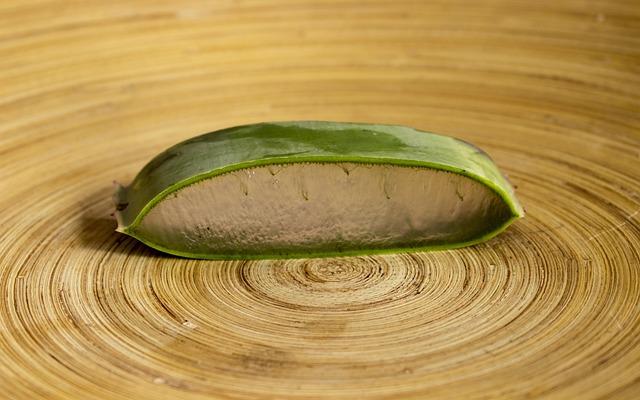
Incorporating natural remedies into your skincare routine can offer gentle nourishment and a sense of connection to nature, but relying solely on them may not always address specific skin concerns effectively. While ingredients like aloe vera, chamomile, and green tea boast antioxidant and soothing properties, their results can vary greatly depending on formulation and concentration. Pairing these time-honored botanicals with scientifically validated ingredients ensures you harness the best of both worlds. For example, vitamin C serums and retinoids have undergone rigorous testing to prove their effectiveness in promoting collagen production and combating signs of aging.
Finding the right balance involves understanding what each component brings to the table. Consider these pointers when combining natural and scientific products:
- Patch test thoroughly: Natural ingredients can still cause irritation, so test new products before full use.
- Check ingredient synergy: Some natural extracts work best as enhancers alongside active compounds.
- Focus on your skin’s needs: Tailor your routine—hydration, anti-aging, or acne care may require a different blend.
- Don’t overlook formulation: Stability and absorption heavily influence efficacy beyond individual ingredients.
| Natural Remedy | Science-Backed Partner | Benefit |
|---|---|---|
| Aloe Vera | Hyaluronic Acid | Enhanced moisturization |
| Green Tea Extract | Vitamin C | Boosted antioxidant defense |
| Chamomile | Niacinamide | Improved soothing & skin barrier |

Creating a Sustainable Skincare Routine for Lasting Results
Building a skincare routine that stands the test of time means more than just picking trendy products or chasing overnight miracles. It requires a thoughtful approach that respects your skin’s natural rhythm and encourages incremental progress. Prioritize consistency over drastic changes; gentle cleansing, targeted hydration, and effective sun protection are the cornerstone habits that nurture your skin’s health long-term. Remember, ingredients matter. Look for formulas with clinically backed components like niacinamide, hyaluronic acid, and antioxidants, which work in harmony to restore and maintain your skin’s balance without harsh irritation.
Consider integrating these key practices into your daily regimen:
- Patch Test New Products to prevent adverse reactions and identify true compatibility.
- Layer Wisely: apply products from thinnest to thickest texture to maximize absorption.
- Adjust Seasonally: swap formulas based on changing environmental needs to avoid over-drying or excess oil.
- Be Patient: visible improvements often take 4-6 weeks—patience is your best ally.
| Step | Product Type | Why It Matters |
|---|---|---|
| 1 | Gentle Cleanser | Removes impurities without stripping moisture |
| 2 | Hydrating Serum | Enhances skin moisture and elasticity |
| 3 | Moisturizer | Seals in hydration and supports barrier function |
| 4 | Sunscreen | Protects against UV damage and premature aging |
In Summary
Choosing skincare that truly works is less about chasing the latest trends and more about understanding your unique skin’s needs. With patience, a bit of experimentation, and mindful attention to ingredient lists, you can build a routine that supports your skin’s health and natural glow. Remember, effective skincare is a journey, not a quick fix—so embrace the process, trust in informed choices, and let your skin reveal the results over time.
