

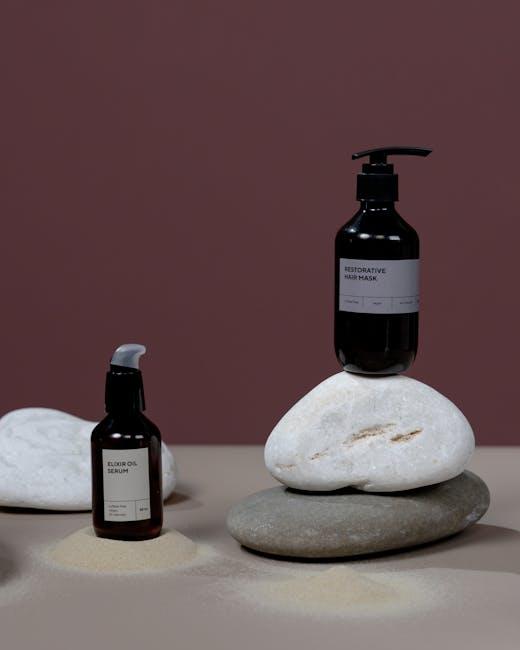
Beneath the sleek packaging and enticing promises of flawless skin lies a world of tiny letters and complex names—skincare ingredient labels. For many, these lists can feel like deciphering a secret code, a curious blend of science and beauty jargon that often leaves us wondering what exactly we’re putting on our skin. But understanding these labels isn’t just for chemists or beauty experts; it’s a crucial step towards making informed choices and tailoring skincare routines to our unique needs. In this article, we’ll unravel the mysteries behind those ingredient lists, guiding you through the essentials of how to read and interpret skincare labels with confidence and clarity.
Understanding Common Skincare Ingredients and Their Benefits
When scanning through skincare labels, it’s essential to recognize that each ingredient targets specific skin concerns. Hyaluronic acid, for example, excels at drawing moisture into the skin, delivering a plump and hydrated finish. Meanwhile, niacinamide works its magic by refining pores and evening out skin tone, making it a versatile choice for almost any routine. For those seeking gentle exfoliation, alpha hydroxy acids (AHAs) like glycolic acid loosen dead skin cells, revealing a brighter complexion underneath. Understanding these ingredients empowers you to make smarter, more customized choices rather than relying on buzzwords or packaging claims.
- Antioxidants (Vitamin C, green tea extract): Protect skin from free radical damage and environmental stressors.
- Emollients (shea butter, squalane): Soften and smooth the skin’s surface.
- Retinoids (retinol, retinaldehyde): Stimulate collagen production and accelerate cell turnover for a youthful glow.
- Soothing agents (aloe vera, chamomile): Calm irritation and reduce redness.
| Ingredient | Main Benefit | Best For |
|---|---|---|
| Salicylic Acid | Clears clogged pores | Oily, acne-prone skin |
| Glycerin | Hydrates and retains moisture | Dry, sensitive skin |
| Peptides | Boosts collagen and elasticity | Mature skin |

Decoding the Order of Ingredients for Effective Product Selection
When scanning ingredient labels, remember that the order in which ingredients are listed matters greatly. Ingredients are listed in descending order by concentration, meaning the first few components make up the bulk of the product. For instance, if water (aqua) appears at the top, the formulation is likely water-based and lighter in texture. Conversely, if emollients or oils are listed first, the product will tend to be richer and more moisturizing. This simple clue helps you quickly assess whether a product suits your skin type or the results you’re after.
To better visualize this, consider the following example outlining a typical moisturizer’s ingredient priority:
| Ingredient Position | Likely Component | Effect on Product |
|---|---|---|
| 1-3 | Water, Emollients | Hydration, texture base |
| 4-7 | Humectants, Emulsifiers | Moisture retention, stability |
| 8+ | Actives, Fragrances, Preservatives | Function, scent, shelf life |
- High concentration ingredients dominate the formula and visibly influence texture and immediate feel.
- Mid-range ingredients often provide supportive roles such as moisture binding and product consistency.
- Trace ingredients like actives and fragrances deliver specific effects but generally appear in smaller amounts.
By decoding the order and grouping of ingredients, you gain a clearer understanding of what your skincare product prioritizes — whether that’s lightweight hydration, intensive moisture, or targeted treatment — guiding you toward smarter, more personalized selections.
Spotting Harmful Additives and Allergens to Protect Your Skin
When scanning skincare labels, one of the most crucial skills to develop is recognizing ingredients that can harm your skin or trigger allergic reactions. Ingredients like parabens, used as preservatives, have been linked to skin irritation and hormonal disruptions in sensitive individuals. Likewise, sulfates (e.g., Sodium Lauryl Sulfate) are powerful cleansing agents that can strip your skin’s natural oils, causing dryness and inflammation. Identifying fragrances and artificial dyes is equally important since these often act as allergens, leading to redness, itching, or even long-term sensitivity. By learning to spot these components, you empower yourself to select products that nourish rather than damage your skin’s delicate barrier.
Below is a handy reference table listing common harmful additives alongside potential effects, helping you quickly evaluate your skincare products at a glance:
| Ingredient | Common Usage | Possible Reaction |
|---|---|---|
| Parabens | Preservatives | Hormonal disruption, irritation |
| Sulfates | Cleansing agent | Dryness, redness |
| Phthalates | Fragrance stabilizers | Allergic reactions, hormonal effects |
| Artificial dyes | Coloring agents | Skin sensitivity, itching |
| Formaldehyde releasers | Preservatives | Allergy, irritation |
Keep in mind that allergens can sometimes be hidden behind generic terms like “fragrance” or listed as complex chemical names. When uncertain, patch testing new products or consulting ingredient databases can further safeguard your skin’s health, turning label reading into a personalized defense strategy against irritation and allergies.
Tips for Choosing Skincare Products Tailored to Your Skin Type
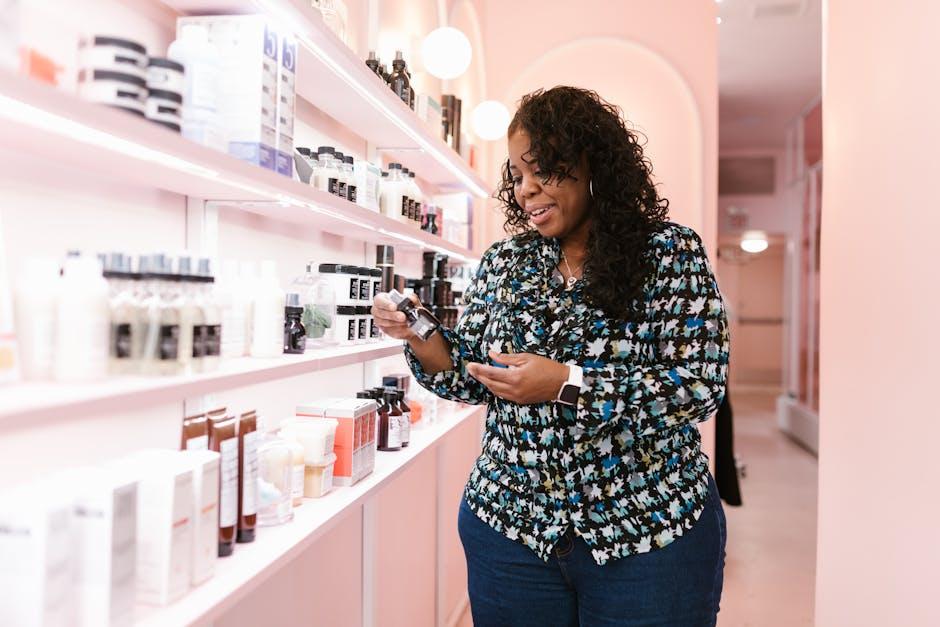
Understanding the unique needs of your skin is essential before diving into the world of skincare labels. For oily skin, seek out non-comedogenic ingredients like salicylic acid or niacinamide, which help regulate sebum production without clogging pores. Dry skin often benefits from hydrating components such as hyaluronic acid, glycerin, and ceramides that reinforce the skin’s moisture barrier. Sensitive skin types should prioritize products free from fragrances and harsh preservatives; look for soothing agents like aloe vera or chamomile to minimize irritation. By identifying key ingredients aligned with your skin’s characteristics, you can streamline your choices and avoid common pitfalls.
Use this quick reference guide to match your skin type with beneficial ingredients and those to avoid:
| Skin Type | Recommended Ingredients | Ingredients to Avoid |
|---|---|---|
| Oily | Salicylic Acid, Niacinamide, Clay | Heavy Oils, Silicones |
| Dry | Hyaluronic Acid, Glycerin, Ceramides | Alcohol, Fragrances |
| Sensitive | Aloe Vera, Chamomile, Oat Extract | Parabens, Synthetic Dyes |
| Combination | Lightweight Moisturizers, Antioxidants | Heavy Waxes, Alcohol |
- Patch test: Always try new products on a small skin area first to monitor reactions.
- Read beyond marketing: Ingredients at the top of the label appear in higher concentrations.
- Prioritize simplicity: Fewer ingredients often mean less chance of irritation or conflict.
To Wrap It Up
Navigating the maze of skincare ingredient labels might seem daunting at first, but with a little curiosity and practice, it becomes a powerful tool in your self-care arsenal. Each list is like a story waiting to be decoded—revealing what nourishes, soothes, or even irritates your skin. By understanding these labels, you gain not just insight, but confidence to choose products that truly align with your skin’s unique needs. So next time you reach for that serum or moisturizer, remember: behind every ingredient lies a promise, and now, you hold the key to unlocking it.
