

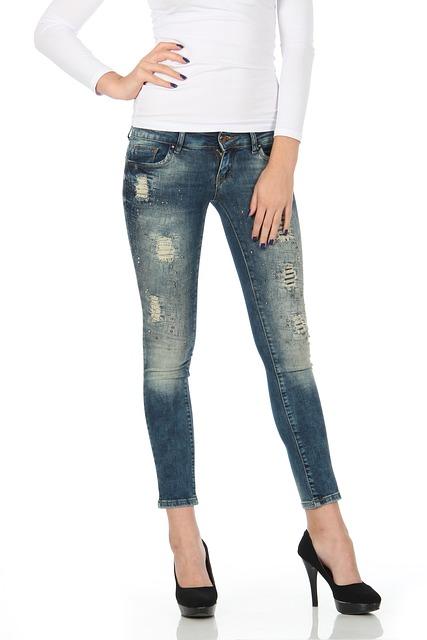
Clothing is more than just a means to cover the body—it’s a second skin that interacts intimately with every curve and contour. Yet, have you ever wondered why the same garment, in the same size, can fit differently depending on the fabric used? From the structured crispness of cotton to the fluid drape of silk, the fibers that make up our clothes play a silent but powerful role in shaping how they hang, stretch, and move with us. Understanding how fabric affects fit not only enhances our appreciation of clothing design but also empowers us to choose garments that flatter our form and suit our lifestyle. In this article, we’ll unravel the subtle ways fabric influences fit, exploring the unique characteristics that turn simple textiles into comfortable, flattering fashion statements.
Understanding Fabric Stretch and Its Impact on Comfort
Fabric stretch plays a crucial role in how a garment moves with your body, directly influencing comfort and fit. Stretchy fabrics, often blended with materials like spandex or elastane, offer enhanced flexibility, allowing clothes to contour to shapes without restriction. This elasticity helps prevent tightness during activities such as bending, sitting, or stretching, making outfits feel effortless throughout the day. In contrast, fabrics with little to no stretch, such as pure cotton or linen, provide structure but might sacrifice some ease of movement unless tailored precisely.
Understanding the types of stretch and their behavior can guide one toward smarter wardrobe choices. Here’s a quick glance at common stretch characteristics:
- Mechanical Stretch: Comes from the fabric’s knit or weave pattern, providing natural give.
- Elastic Stretch: Achieved by adding stretch fibers like elastane, offering more significant recovery.
- Bias Stretch: Occurs when fabric is cut diagonally, giving moderate stretch without added fibers.
| Fabric Type | Stretch Level | Best For |
|---|---|---|
| Denim (with elastane) | Medium | Everyday jeans with comfort |
| Woven Cotton | Low | Shirts & formalwear |
| Jersey Knit | High | Casual wear & activewear |
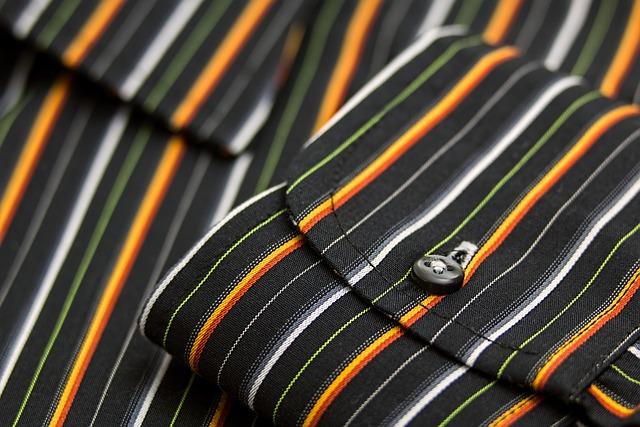
The Role of Fabric Weight in Garment Structure and Fit
Fabric weight is a fundamental factor that significantly influences how a garment holds its shape and sits on the body. Heavier fabrics tend to provide structure and stability, creating garments that maintain clean lines and sharp silhouettes. For example, a coat made from a dense wool blend will drape differently compared to a dress made from a lightweight chiffon. This difference affects not just the look, but also the comfort and movement of the wearer. Designers often choose fabric weights deliberately to enhance or soften the garment’s form, ensuring that it complements the intended style and function.
Understanding fabric weight also helps in predicting the fit and feel of clothing across seasons. Light fabrics such as linen and silk are ideal for loose, breathable summer wear, but they may cling or wrinkle more easily due to their delicate nature. Meanwhile, medium to heavy fabrics improve durability and provide warmth without sacrificing comfort. Below is a quick guide to typical fabric weights and their common garment applications:
| Fabric Weight | Typical Use | Fit & Structure Impact |
|---|---|---|
| Light (below 150 gsm) | Blouses, scarves, summer dresses | Flowy, breathable, less structured |
| Medium (150-300 gsm) | Shirts, skirts, casual pants | Balanced drape with moderate structure |
| Heavy (above 300 gsm) | Outerwear, denim, tailored suits | Firm shape, excellent durability |
- Light fabrics enhance flow and movement but may lack form stability.
- Medium-weight fabrics offer versatility, balancing comfort and shape.
- Heavy fabrics provide structure and warmth, ideal for tailored fits.
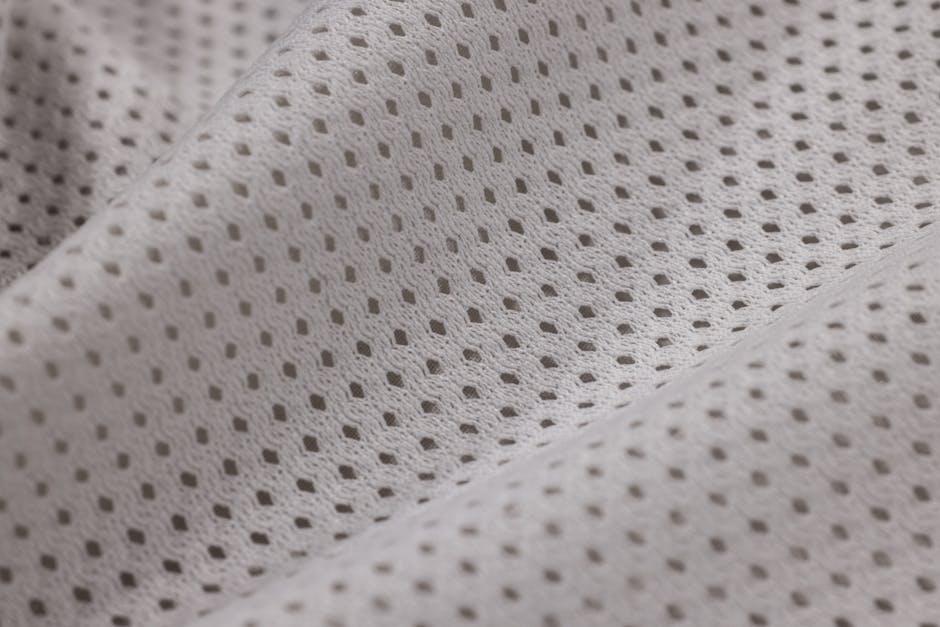
Breathability Matters How Fabric Choice Influences Wearability
When selecting your wardrobe, the fabric’s ability to breathe plays a crucial role in comfort and overall wearability. Breathable materials, such as cotton, linen, and certain performance synthetics, allow air to circulate close to the skin, helping to regulate temperature and prevent moisture buildup. This natural airflow prevents the fabric from clinging uncomfortably to the body, especially during extended wear or in warmer climates, ensuring that your clothes feel light and fresh throughout the day.
Consider these key points about breathable fabrics:
- Moisture management: Breathable fabrics wick sweat away, reducing the risk of skin irritation and maintaining a dry feel.
- Temperature regulation: Proper airflow helps keep your body cool in heat and reduces overheating under layers.
- Fit retention: Fabrics that breathe maintain their shape better since they’re less likely to become saturated and stretched.
| Fabric Type | Breathability | Ideal Use |
|---|---|---|
| Cotton | High | Everyday wear, casual |
| Polyester | Moderate | Sportswear, layering |
| Linen | Very High | Hot climates, summer |
| Nylon | Low | Windbreakers, rainwear |
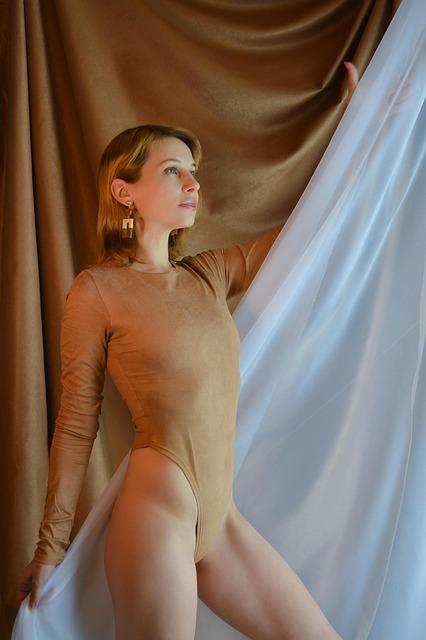
Choosing the Right Fabric for Your Body Shape and Style Preferences
When selecting fabric, understanding how materials interact with your body shape can transform your wardrobe. For example, lightweight fabrics like chiffon and silk gracefully drape over curves, highlighting feminine silhouettes without adding bulk. Conversely, structured fabrics such as denim and canvas offer support and shape, ideal for those seeking clean lines and defined contours. Consider the stretch factor too—knits can offer flexibility that adapts perfectly to athletic or muscular builds, ensuring comfort without compromising style.
Fabric choice also plays a pivotal role in aligning with your personal style preferences. If you lean toward classic elegance, natural fabrics like wool or linen provide timeless appeal and breathability. For a more edgy or contemporary look, synthetic blends with a bit of sheen or texture add visual interest and durability. Below is a quick comparison table to help guide your selections based on body shape and style:
| Body Shape | Recommended Fabrics | Style Benefits |
|---|---|---|
| Hourglass | Silk, Jersey, Knit | Enhances curves, flexible fit |
| Rectangle | Denim, Linen, Tweed | Adds structure, creates dimension |
| Apple | Chiffon, Cotton blends | Lightweight, breathable comfort |
| Pear | Wool, Stretch blends | Supports hips, smooth silhouette |
- Texture can either emphasize or soften body contours.
- Weight affects how fabric falls and whether it enhances or hides shape.
- Stretch promotes movement and comfort without losing form.
Wrapping Up
In the intricate dance between fabric and form, understanding how different materials shape the way clothing fits can transform the way we dress—and feel in our clothes. From the stretch of jersey to the crisp structure of cotton, each fabric tells its own story on the body. By tuning into these subtle conversations, we gain not just better fits, but a deeper appreciation for the clothes we wear every day. After all, fit is never just about size; it’s about the seamless harmony between fabric, design, and the unique contours of you.
